There is something profoundly satisfying about taking a flat, humble piece of fabric and manipulating it into organic, three-dimensional life. I first fell in love with making felt roses because they offer instant gratification that knitting or quilting simply cannot match. I still keep a small, slightly crushed felt bloom on my desk—a reminder of the quiet winter afternoon when I first discovered how a simple spiral cut could transform into a petal.
- My Journey with Felt Floristry
- What This Craft Really Entails
- Essential Materials and Tools
- Key Techniques and Skills
- Skill Level and Time Investment
- Advantages and Challenges
- Real Project Applications
- The Learning Experience
- Comparison with Similar Crafts
- Common Questions from Fellow Crafters
- My Personal Results and Insights
- Final Thoughts and My Recommendation
My Journey with Felt Floristry
I came to felt craft after years of rigid counting in cross-stitch and knitting. I was desperate for a medium that allowed for more fluidity and forgiveness, something where a millimeter of error didn’t ruin the entire piece. I remember walking into a boutique fabric store and touching a bolt of merino wool felt; it was buttery, dense, and held a structure that cotton never could.

What This Craft Really Entails
Felt floristry, often categorized under “soft sculpture” or textile botanical art, is the art of cutting, shaping, and assembling non-woven fabric into realistic or stylized floral representations. Unlike woven fabrics that fray and demand hemming, felt is a condensed textile made by matting, condensing, and pressing fibers together. This unique property means you can cut intricate shapes without worrying about structural integrity unraveling at the edges.
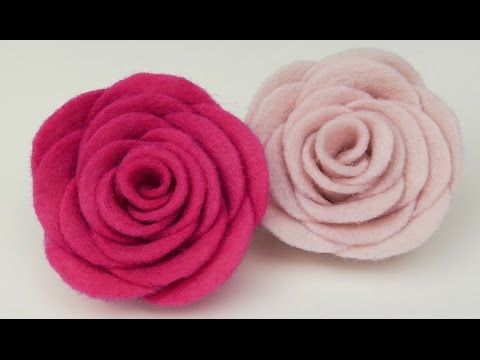
Historically, felt is one of the oldest known textiles, predating weaving and knitting, but its application in delicate floristry is a relatively modern evolution of millinery (hat making) techniques. In the Victorian era, felt scraps were often repurposed for embellishments, but today it has evolved into a standalone art form. The craft ranges from “rolled roses”—simple spirals glued together—to “reconstructed blooms” where every petal is individually cut, shaped with heat or wire, and assembled to mimic nature.
The core skills required are surprisingly accessible but difficult to master perfectly. You need steady hands for precision cutting, an understanding of three-dimensional assembly, and the ability to visualize how flat shapes curve into volume. It is similar to sculpting with clay, but your medium is soft, warm, and pliable. Have you ever wondered why some fabric flowers look stiff while others look like they are swaying in a breeze? The secret usually lies in how the crafter manipulates the tension during the rolling process.
This craft suits the “impatient perfectionist” wonderfully. It bridges the gap between the structural engineering of paper crafts and the softness of sewing. Beginners can achieve a recognizable rose in ten minutes, while advanced artisans can spend hours shading petals with pastels and wiring individual leaves. It differs significantly from silk flower making, which requires expensive hot irons and starches; felt relies mostly on the fabric’s inherent stiffness and simple adhesives.
Is it strictly for those who can sew? absolutely not. While you can stitch your roses for a vintage feel, modern felt floristry often utilizes hot glue or fabric tack for assembly. The real challenge isn’t the joining method; it’s the shaping. You are essentially forcing a 2D plane into a 3D object, requiring a good eye for proportion and symmetry.
Essential Materials and Tools
| Item Category | Specifications |
|---|---|
| Primary Fabric | Wool-blend felt (20-35% wool, remainder rayon/viscose). Avoid 100% acrylic craft felt as it shines and squeaks. |
| Cutting Tools | Micro-serrated scissors for grip; small embroidery scissors for detail work; rotary cutter for strips. |
| Adhesives | High-temperature hot glue gun (fine tip preferred) or clear-drying fabric glue (e.g., Beacon Fabri-Tac). |
| Structure | Floral wire (18-22 gauge for stems), wool roving for centers, or foil for shaping cores. |
| Optional Supplies | Freezer paper (for stencils), fabric stiffener, alcohol markers or pastels for shading. |
| Recommended Brands | Benzie Design or Commonwealth Felt for consistency; Fiskars for cutting tools. |
| Approximate Costs | $30-$50 for a complete starter kit that yields dozens of flowers. |
Key Techniques and Skills
- Spiral Cutting: The foundational technique of cutting a circle into a spiral strip to create a rosette.
- Petal Cupping: Using a small dab of glue at the base of a petal and pinching it to create a concave curve.
- The “Roll and Glue”: managing tension while rolling a strip to ensure the flower center is tight and the outer petals bloom open.
- Freezer Paper Templating: Ironing paper patterns onto felt for precise cutting without marking the fabric permanently.
- Wire Insertion: Creating a hooked end on floral wire to secure the rose head so it doesn’t pop off.
- Calyx Construction: Cutting and attaching the greenery at the base of the bloom to hide raw glue and mechanics.
- Edge Distressing: Snipping or stretching the edges of petals to make them look organic and imperfect.
- Heat Shaping: Using a warm iron or hair straightener to permanently curl wool-blend felt petals.
- Leaf Veining: Stitching or pressing veins into leaves for added realism.
- Color Blending: Using eyeshadow or chalk pastels to add blush to the center of the rose.
Skill Level and Time Investment
| Skill Level | Time Investment | Key Milestones |
|---|---|---|
| Beginner | 10-20 minutes per flower | Mastering the spiral cut; learning glue gun safety; consistent tension. |
| Intermediate | 30-45 minutes per flower | Individual petal assembly; adding realistic calyxes; working with wire stems. |
| Advanced | 1-3 hours per flower | Hand-dyeing felt; heat setting complex curves; creating full botanical arrangements. |
| Practice Req. | 2-3 hours weekly | Developing “scissor confidence” helps smooth out jagged petal edges quickly. |
| Challenges | Learning Curve | The biggest hurdle is usually glue control—avoiding the dreaded “spiderwebs.” |
Advantages and Challenges
Advantages:
- The tactile nature of wool is incredibly soothing and therapeutic to work with.
- Felt does not fray, eliminating the need for hemming or sealants required in other fabric crafts.
- The material is relatively inexpensive compared to silk or high-end quilting cottons.
- Projects are portable; you can cut petals while watching TV and assemble them later.
- Wool felt absorbs light beautifully, giving the flowers a rich, matte depth that looks expensive.
- Finished pieces are durable and can be vacuumed or dusted, unlike paper flowers.
Challenges:
- Cutting dense felt for long periods can cause significant hand fatigue or cramping.
- Hot glue burns are a rite of passage but nonetheless painful and frustrating.
- High-quality wool blend felt can be harder to find in local big-box craft stores.
- Lint and dust distinctively cling to felt, requiring careful storage of finished items.
- achieving a “realistic” look takes practice; it is easy for felt flowers to look childish or cartoonish.
Real Project Applications
Once you master the felt rose, the applications are virtually limitless. I have moved beyond simple home décor into creating functional art pieces. One of my most requested projects is the “heirloom wedding bouquet.” Brides are increasingly seeking alternatives to fresh flowers, not just for cost, but for the sentimentality. A felt bouquet can be kept forever, displaying no wilt or browning.
In the realm of fashion, felt roses make stunning brooches and fascinators. I recently completed a commission for a vintage-style winter coat where the lapel was adorned with a trio of deep burgundy felt roses. Because felt is sturdy, these embellishments handle the wear and tear of daily life much better than silk or organza. Have you ever noticed how commercial fabric flowers flatten over time? Felt resists this compression remarkably well.
For the home, I often create seasonal wreaths. A standard 14-inch foam wreath form requires about 35 to 50 roses depending on their size. While this sounds daunting, the repetition is meditative. I mix rolled rosettes with more complex, petal-built cabbage roses to create texture and visual interest. These wreaths make exceptional housewarming gifts because they can be customized to match the recipient’s exact color palette—something impossible with fresh greenery.
Another practical application is gift wrapping. Instead of a disposable plastic bow, I attach a small felt rose to packages with a clip. It becomes a “secondary gift” that the recipient can wear or display. I’ve found that people hesitate to throw away the packaging when it’s adorned with handmade felt art, extending the life of the object and reducing waste.

The Learning Experience
Most beginners start with the “CD method”—using a CD to trace a circle, cutting a spiral, and rolling it up. It’s a great entry point, but the result is often conical and pointy. The learning curve typically spikes when you try to transition from these spirals to individual petals. You will likely struggle with the base being too bulky or the petals not laying flat.
A common early mistake is using cheap, 100% acrylic “craft felt” (the kind that costs 30 cents a sheet). It squeaks when you cut it, melts under hot glue, and shines like plastic. Do yourself a favor and invest in a wool blend (usually 20-35% wool) immediately. The difference in how it stretches and holds a curve is night and day. It’s like trying to learn pottery with mud versus potter’s clay.
My personal breakthrough came when I stopped trying to glue every single millimeter of the petal. I realized that attaching the petal only at the very bottom allowed the top edge to curl away naturally, mimicking the opening of a real rose. Before that, I was gluing them flat, resulting in a layered mummy effect rather than a blooming flower.
YouTube is a goldmine for this craft, but books on millinery (hat making) are the secret weapon for advanced shaping techniques. The community is incredibly supportive; online groups often share “petal maps” (templates) and color palette ideas. There is a profound sense of achievement when you look at a pile of flat scraps and then, an hour later, hold a bouquet.
Comparison with Similar Crafts
| Aspect | Felt Floristry | Paper Flowers (Crepe) | Ribbon Embroidery | Crochet Flowers |
|---|---|---|---|---|
| Durability | High (bounce back) | Low (crush/fade easily) | Medium (snagging) | Very High |
| Realism | Stylized/Soft | Very High | Medium | Low/Abstract |
| Learning Curve | Low to Medium | High (requires finesse) | High (needle skills) | Medium (pattern reading) |
| Tool Cost | Low (scissors/glue) | Medium (pastels/paper) | Low (needle/hoop) | Low (hook/yarn) |
| Texture | Warm/Fuzzy | Dry/Crisp | Silky/Smooth | Knitted/Loop |
Common Questions from Fellow Crafters
Q: Can I wash felt flowers if they get dusty?
A: I don’t recommend submerging them, especially if you used water-soluble glue or wire. Use a lint roller or a piece of masking tape to lift dust, or a hair dryer on the “cool” setting to blow it away.
Q: My glue gun leaves messy strings everywhere. How do I stop this?
A: This is usually a temperature issue. Try a high-quality gun with a precision nozzle. Also, keep a “scrap” piece of felt nearby to wipe the nozzle tip frequently while working.
Q: How do I make the stems look realistic?
A: Don’t just leave the wire bare. Wrap the floral wire in a thin strip of matching green felt, stretching it as you wrap. The tension makes it adhere to itself and the wire, creating a smooth, organic stem.
Q: Why do my petals look jagged?
A: You are likely closing your scissors completely with each cut. Try to cut using the middle of the blades and move the fabric, not the scissors, for long, smooth curves.
Q: Can I use die-cutting machines like a Cricut?
A: Yes! A rotary blade attachment is a game-changer for cutting bulk petals. However, I find hand-cutting gives a more organic, less “manufactured” look for the final rose.
Q: How do I keep the rose from looking like a cone?
A: You are winding it too tightly. Loosen your grip as you roll outward. The center should be tight, but the outer layers need air and space.
My Personal Results and Insights
| Project Type | Outcome |
|---|---|
| First 100 Roses | Learning phase. About 30% were gifted, 20% kept, and 50% were “learning experiences” (trash). |
| Bridal Bouquet | Took approx. 15 hours. Material cost was $45. Sold for $250. High satisfaction but high labor. |
| Holiday Wreaths | Most efficient project. I can batch-cut petals while watching movies. High gift value. |
| Skill Timeline | It took about 3 months of casual practice to develop a “signature style” that didn’t look generic. |
| Creative Impact | Working with colors in felt improved my eye for color theory in my other crafts like knitting. |
| Surprise Benefit | The grip strength developed from cutting felt actually helped my hand stability in other areas. |
Final Thoughts and My Recommendation
After years of experimenting with fiber arts, I can honestly say that making felt roses is one of the most forgiving and rewarding skills you can acquire. It sits in that sweet spot between “craft” and “art.” It doesn’t require the years of muscle memory that knitting does, nor does it require the expensive equipment of jewelry making. It is accessible, tactile, and deeply expressive.
I highly recommend this craft for beginners who need a creative win. If you are someone who starts projects and abandons them because they take too long to see results, felt floristry is your answer. You can finish a beautiful object in a single evening. For experienced sewists or artists, it offers a new dimension—literally—to explore structure and form without the constraints of a loom or hoop.
Is it worth the investment? absolutely. A few sheets of quality wool blend felt and a pair of sharp scissors are all that stand between you and a garden that never needs watering. Be patient with your first few attempts; remember my “cabbage rose.” But once you understand the language of the felt, you’ll find yourself looking at every flat piece of fabric and imagining the flower hidden inside.