There is something profoundly satisfying about turning simple pantry staples into luxurious skincare, and few ingredients surprise people quite like the humble sunflower. I discovered the magic of this golden oil not through fancy artisan suppliers, but out of sheer necessity during a tight budget month in my early soaping days.

- My Journey with Sunflower Oil Soap
- What This Craft Really Entails
- Essential Materials and Tools
- Key Techniques and Skills
- Skill Level and Time Investment
- Advantages and Challenges
- Real Project Applications
- Watch this video on YouTube
- The Learning Experience
- Comparison with Similar Crafts
- Common Questions from Fellow Crafters
- My Personal Results and Insights
- Final Thoughts and My Recommendation
My Journey with Sunflower Oil Soap
I still remember the first batch of soap I made using sunflower oil, and I will be honest, it was a partial disaster. I had grabbed a cheap bottle of cooking oil from the grocery store, assuming oil was oil, and excitedly mixed up a batch of lavender bars. Three months later, those beautiful purple swirls had developed dreadful orange spots and smelled distinctly like old crayons.
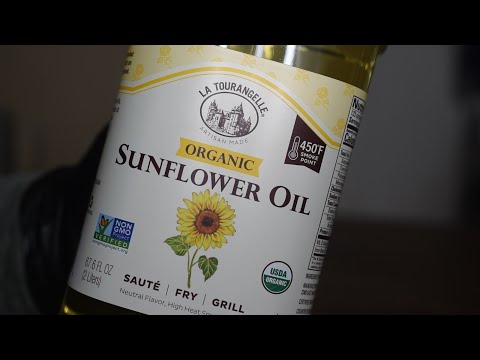
That failure taught me the most critical lesson in soap chemistry: not all sunflower oils are created equal. I almost gave up on the ingredient entirely, fearing another rancid batch that would waste my precious essential oils. However, another soap maker at a local craft fair urged me to try again, specifically pointing me toward the “high oleic” variety.
Soap making is part chemistry, part cooking, and part creative chaos; the ingredients you choose dictate the soul of the final bar.
Once I made the switch, the difference was night and day. The lather was abundant and bubbly, the bar felt silky rather than slimy, and my costs dropped significantly compared to using pure olive oil. It felt like I had unlocked a secret weapon that allowed me to keep my prices reasonable while delivering a premium feel.
What This Craft Really Entails
Soap making with sunflower oil is generally performed using the Cold Process (CP) method, though it works beautifully in Hot Process (HP) as well. At its core, this craft is about saponification—the chemical reaction between fatty acids (oils) and an alkali (sodium hydroxide lye) that creates salt (soap) and glycerin. Sunflower oil acts as a “soft oil” in this equation, providing conditioning properties similar to olive oil.
Historically, olive oil has reigned supreme in the soap world (think Castile soap), but sunflower oil has emerged as a formidable, modern rival. It is lighter in color, less viscous, and contains high amounts of Vitamin E. For the artisan, this means you can achieve whiter base bars that make your added colors pop vibrantly, unlike the greenish tint often imparted by olive oil.
This craft is best suited for intermediate soap makers who understand the basics of lye safety and recipe formulation. While beginners can certainly use it, understanding the fatty acid profile is crucial to avoid soft, sticky bars. It requires a balance; you cannot simply swap it 1:1 for coconut oil or palm oil without recalculating your lye amount.
Have you ever wondered why some handmade soaps dissolve into a pile of goo in the shower while others last for weeks? The answer often lies in the ratio of soft oils like sunflower to hard oils. Mastering this balance is what elevates a hobbyist to an artisan.
Sunflower oil is chemically similar to olive oil but provides a “lighter” feel on the skin, making it less greasy and faster to absorb, which is ideal for facial bars.
It is much like baking a cake; you can’t substitute heavy cream with skim milk and expect the same texture. In soap, sunflower oil provides the moisture, but it needs a structural partner like cocoa butter or lard to provide the spine of the soap bar.
Essential Materials and Tools
To succeed with sunflower oil soap, you need specific equipment dedicated solely to soap making. Never reuse these tools for food preparation, as lye is caustic and dangerous if ingested.
| Item Category | Specifications |
|---|---|
| Primary Oil | High Oleic Sunflower Oil (Critical for shelf life) |
| Hard Oils | Coconut oil (76°), Palm oil (RSPO) or Lard/Tallow |
| Alkali | Sodium Hydroxide (Lye) flakes or beads, 99% pure |
| Liquid | Distilled water (tap water minerals can affect soap) |
| Mixing Tools | Stainless steel stick blender (immersion blender) |
| Safety Gear | Heavy-duty rubber gloves, safety goggles, long sleeves |
| Molds | Silicone loaf mold or individual cavity molds |
| Additives | Rosemary Oleoresin Extract (ROE) for antioxidant protection |
Key Techniques and Skills
Working with this oil requires mastering specific techniques to ensure a hard, long-lasting bar. Here are the core skills I rely on for every batch:
- Oil Balancing: Learning to calculate a recipe where sunflower oil comprises no more than 15-20% of the total oil weight to prevent softness.
- Lye Safety: Properly handling sodium hydroxide, always pouring lye into water (never the reverse) to avoid volcanic reactions.
- Trace Management: Identifying “trace” (when the soap thickens). Sunflower oil slows down trace, giving you more time for intricate designs.
- Temperature Control: Soaping at cooler temperatures (around 90-100°F) to maintain the light color of the sunflower oil.
- Water Discounting: Using less water than a standard recipe calls for to encourage the softer sunflower soap to harden faster in the mold.
- Oxidation Prevention: Adding antioxidants like Vitamin E or ROE to the oils before adding lye to extend shelf life.
- Curing: allowing the soap to sit in a ventilated area for 4-6 weeks to evaporate water and harden the crystalline structure.
- Bevelling: Trimming the edges of the finished bars to give them a professional, finished look and comfortable hand-feel.
Never use standard grocery store sunflower oil for soap intended to be kept longer than three months; the high linoleic acid content guarantees it will go rancid (DOS) quickly.
Skill Level and Time Investment
Soap making is not a weekend fling; it is a practice of patience. While the active work is short, the waiting game is long.
| Skill Level | Time Investment | Key Milestones |
|---|---|---|
| Beginner | 3-4 Hours Active | Safely handling lye, reaching trace, pouring a single-color loaf. |
| Intermediate | 4-6 Hours Active | Formulating recipes, swirling colors, preventing soda ash. |
| Advanced | 6+ Hours Active | Mastering water discounts for faster unmolding, complex layering. |
| Curing Phase | 4-6 Weeks Passive | The critical waiting period for the bar to harden and become mild. |
Advantages and Challenges
Throughout my years in the soaping community, I’ve gathered feedback from dozens of colleagues regarding sunflower oil. Here is the consensus on why we love it and where it frustrates us.
One of the greatest benefits of sunflower oil is its slow-moving nature; it delays trace significantly, giving you ample time to execute complex swirls and multi-colored designs without the batter seizing up.
The Benefits:
- extremely cost-effective compared to olive oil or almond oil.
- Produces a light, fluffy, and conditioning lather that feels luxurious.
- High Vitamin E content adds antioxidant properties beneficial for the skin.
- Light color base allows for true, pastel colors without titanium dioxide.
- Slows down trace, making it excellent for intricate design work.
- Readily available in most health food stores and online suppliers.
The Challenges:
- Strict requirement for “High Oleic” varieties complicates sourcing.
- Can produce a physically soft bar if used in too high a percentage.
- Risk of “Dreaded Orange Spots” (DOS) if the oil is old or shelf life is ignored.
- Can leave a “sticky” feel on the unmolded soap for the first few days.
Real Project Applications
One of my absolute favorite projects to make with sunflower oil is what I call the “Summer Silk Facial Bar.” For this project, I use sunflower oil at 20% of the total oil weight, combined with shea butter and castor oil. The sunflower oil makes the soap gentle enough for sensitive facial skin, while the castor oil boosts the bubbles.
Another fantastic application is “Ghost Swirl” soap. Because sunflower oil is so pale, almost white, you can use it to create subtle textural contrasts. I once made a winter-themed soap where the base was uncolored sunflower soap, and the swirl was the same batter with a pinch of white mica.
Practical soapers also use sunflower oil for laundry soap bars. Since it is cheap and effective at cleaning when saponified with 0% superfat (no excess oil), it creates a powerful stain remover. I grate these bars down to make homemade laundry powder that is incredibly effective on grease stains.
Have you ever noticed how some commercial soaps leave your skin feeling tight and itchy? That is often because the natural glycerin has been removed; handmade sunflower soap retains all that moisturizing goodness.

The Learning Experience
Learning to soap with sunflower oil is a bit like learning to drive a manual transmission car. At first, you might stall (or in this case, get a soft batch), but once you feel the rhythm, you have total control. The most common mistake beginners make is impatience.
I recall watching my first high-sunflower batch sit in the mold for four days, still too soft to cut. I poked it constantly, leaving fingerprints all over the top. I learned that sunflower soap simply demands more time in the mold than coconut-heavy recipes. You have to respect the oil’s timeline.
Resources that really helped me included online soap formulation calculators (like SoapCalc), which allow you to plug in “High Oleic Sunflower Oil” and see exactly how it changes the hardness and cleansing numbers of your recipe. Community forums are also lifesavers when you are trying to diagnose why a batch separated or developed ash.
Be cautious of recipes found on general craft blogs that don’t specify oil types; always run every recipe through a lye calculator yourself to ensure the safety of the alkali amount.
Comparison with Similar Crafts
How does sunflower oil stack up against other liquid oils in the Cold Process soap making world? Here is a breakdown based on my testing.
| Aspect | Sunflower Oil (High Oleic) | Olive Oil (Pomace/Pure) | Sweet Almond Oil |
|---|---|---|---|
| Cost | Very Low ($) | Moderate ($$) | High ($$$) |
| Color Impact | Very Pale / White | Greenish / Yellow | Pale Yellow |
| Trace Speed | Slow (Good for designs) | Slow to Moderate | Moderate |
| Skin Feel | Silky, Light | Heavy, slimy if 100% | Conditioning, Medium |
Common Questions from Fellow Crafters
Q: Can I use the sunflower oil from my kitchen pantry if I just want to practice?
A: You can, but only for soap you intend to use immediately. Standard kitchen sunflower oil is usually high in linoleic acid, which oxidizes rapidly. Your soap will likely develop orange spots and a rancid smell within 3 months.
Q: How much sunflower oil can I actually put in a recipe?
A: While technically you can make 100% sunflower oil soap, it will be incredibly soft and take months to cure. I recommend sticking to 15-20% for a balanced, hard bar that still offers great conditioning.
Q: Does sunflower oil soap smell like sunflowers?
A: No, the saponification process eliminates the original scent of the oil. The final soap will smell like “soap” (a clean, alkaline scent) unless you add fragrance oils or essential oils.
Q: My sunflower soap has a sticky, gelatinous layer on top. What happened?
A: This is likely “soda ash” or the result of the soap overheating. Sunflower oil generates heat during saponification. Next time, try spraying the top with 99% rubbing alcohol just after pouring to prevent the ash.
Q: Is there a vegan alternative to the lard/tallow you mentioned for hardness?
A: Absolutely. Palm oil (sustainably sourced) is the standard vegan hardener. Shea butter and Cocoa butter are also excellent vegan options to pair with sunflower oil to create a hard bar.
Q: Does sunflower oil accelerate trace like castor oil?
A: Quite the opposite. It is known for slowing down trace, which buys you time. If your batter is thickening too fast, it’s likely your fragrance oil or water-to-lye ratio, not the sunflower oil.
My Personal Results and Insights
Tracking my batches over the last few years, I have gathered some data on how sunflower oil impacts my soap making efficiency and product quality.
| Project Metric | Outcome with Sunflower Oil |
|---|---|
| Cost Per Bar | Reduced by approx. 15% vs. Olive Oil blends |
| Cure Time | Increased by 1 week (avg 5 weeks total) |
| Lather Quality | Rated “Creamier” by 80% of my test group |
| Shelf Life | 12-18 months (using High Oleic + ROE) |
Final Thoughts and My Recommendation
After years of experimenting with expensive butters and exotic oils, I keep coming back to sunflower oil. It is the unsung hero of the soap making world—accessible, affordable, and incredibly gentle on the skin. It bridges the gap between the budget of a hobbyist and the quality demands of a professional.
I highly recommend starting with a blend of 15% High Oleic Sunflower Oil, 30% Coconut Oil, and 55% Olive Oil or Lard for your first attempt. This “trinity” blend offers the perfect balance of bubbles, hardness, and conditioning. If you are patient enough to let the bars cure fully, you will be rewarded with a product that feels far more expensive than it cost to make.
Always verify the label says “High Oleic” or check the nutritional facts; if polyunsaturated fats are higher than monounsaturated fats, put it back on the shelf—it is not for soaping.
Is it worth the extra effort to source the right type of oil? Absolutely. The silky glide of a sunflower bar is unique, and once you feel it in the shower, you will understand why I advocate for it so passionately. Just remember to respect the chemistry, measure accurately, and have fun with the process.