
In my cozy workshop filled with the gentle scents of oils and herbs, I’ve spent years exploring the quiet magic of turning fats into cleansing treasures. Soap making with KOH captured my heart early on because it yields luxurious, pourable liquids that feel so different from the solid bars I first learned. There’s something deeply satisfying about creating a soap that flows like honey and leaves skin feeling soft and nourished.
- Inside My Practice with Soap Making Using KOH
- What This Craft Really Entails
- Essential Materials and Tools
- Key Techniques and Skills
- Skill Level and Time Investment
- Advantages and Challenges
- Real Project Applications
- The Learning Experience
- Comparison with Similar Crafts
- Common Questions from Fellow Crafters
- My Personal Results and Insights
- Final Thoughts and My Recommendation
Inside My Practice with Soap Making Using KOH
I still remember my first batch years ago in my small home studio. I carefully measured the potassium hydroxide flakes, and as they dissolved, the mixture heated up dramatically. The resulting paste took patience to dilute, but when I finally had that smooth liquid soap, it felt like a personal victory. That early experiment taught me the unique rhythm of working with KOH.

What This Craft Really Entails
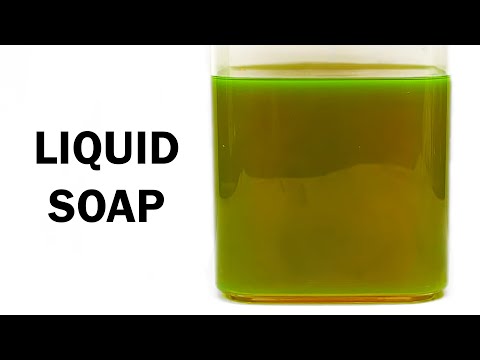
Soap making with KOH, often called liquid soap making or potassium hydroxide soap, creates a soft paste that dilutes into a flowing cleanser. Unlike traditional bar soap made with sodium hydroxide, this method produces a product that’s more soluble and versatile for hand washes, shampoos, or body washes. Historically, potassium-based soaps trace back to softer, traditional soft soaps used in households before modern bar soaps became common.
The process involves saponification, where KOH reacts with oils or fats to form soap. It requires precise measurements because the chemistry differs from NaOH soaps. Core skills include safe lye handling, achieving proper trace, cooking the paste, and diluting it to the right consistency.
This craft suits those who enjoy the patience of multi-day processes and value customizable, gentle cleansers.
Ever wondered why your homemade liquid soap separates or stays too thick? It often comes down to the dilution ratio or oil choices. Beginners can start here, but it helps to have some bar soap experience first. Intermediate makers love experimenting with herbs, while advanced crafters tweak recipes for specific skin needs.
Compared to cold process bar soap, KOH soap making often uses hot process methods to speed saponification. The end result is translucent or clear when done right, with rich lather from oils like coconut. It feels more like crafting a skincare elixir than a simple bar.
Have you ever considered how the choice of alkali changes everything about the final texture and use?
Essential Materials and Tools
| Item Category | Specifications |
|---|---|
| Alkali | Potassium hydroxide (KOH) flakes, 90-99% purity |
| Base Oils | Coconut oil for lather, olive or sunflower for gentleness |
| Liquid | Distilled water (often 1:1 or up to 3:1 ratio with KOH for paste) |
| Tools | Stainless steel or heat-safe containers, immersion blender, slow cooker or double boiler, digital scale, goggles and gloves |
| Optional | Glycerin for dilution, essential oils, herbs for infusion |
Quality KOH from reputable suppliers makes a big difference. Budget-wise, a basic setup costs little once you have safety gear, but good scales are worth investing in.
Always use a dedicated lye calculator set to KOH and liquid soap mode for accurate amounts.
Key Techniques and Skills
- Accurate weighing of KOH and oils using grams for precision.
- Safely dissolving KOH in water (never the reverse) in a well-ventilated area.
- Blending oils and lye solution to reach a light trace.
- Cooking the paste using hot process until it reaches a translucent vaseline-like consistency.
- Diluting the paste with distilled water or glycerin solution slowly over time.
- Testing pH to ensure it’s safe (around 9-10 for liquid soap).
- Adding scents or botanicals after dilution.
- Thickening adjustments with salt or other methods if needed.
- Proper storage in airtight containers to maintain clarity.
- Troubleshooting separation by adjusting water ratios.
Skill Level and Time Investment
| Skill Level | Time Investment | Key Milestones |
|---|---|---|
| Beginner | 2-4 hours active + 1-2 days curing/diluting | First successful paste |
| Intermediate | Full recipe in one day with overnight rest | Custom oil blends and scenting |
| Advanced | Weeks for experimentation and mastery | Consistent clear liquid with varied oils |
The learning curve involves patience with the dilution phase, which can take hours or days.
Advantages and Challenges
- Creates gentle, moisturizing liquid soap perfect for sensitive skin.
- Highly customizable with endless scent and additive options.
- Versatile for household and personal care uses.
- Therapeutic mixing process with wonderful aromas.
- Economical for large batches once mastered.
- Biodegradable and often gentler on the environment.
- Great lather from coconut-heavy recipes.
- Feels luxurious compared to commercial liquids.
- Requires strict safety precautions with caustic KOH.
- Dilution phase can be finicky and time-consuming.
- Paste can be stubborn to fully saponify without heat.
- Potential for separation if ratios are off.
- Strong fumes during lye dissolution.
- Storage needs careful attention to prevent issues.
The rich, bubbly lather from my coconut-based batches always brings a smile.
Real Project Applications
One of my favorite projects is a simple hand soap using mostly olive and coconut oils. After cooking the paste, I dilute it and add lavender essential oil. The result is about a liter of gentle soap that lasts weeks in my kitchen. For body wash, I incorporate more moisturizing oils like sweet almond.
In crafting communities, makers create shampoo bars by concentrating further or herbal-infused face washes. Seasonal projects include peppermint for winter hand soaps or citrus blends for summer. A typical small batch might use 500g oils to yield around 1-1.5 liters of diluted soap.
My first undiluted paste sat too thick and was hard to work with until I learned better ratios.
Gift-giving shines here. I bottle beautiful liquids in pretty dispensers with labels for friends. Practical uses include dish soap versions with higher coconut content for grease-cutting power. The measurable outcome is always soft skin and effective cleaning without harsh residues.

The Learning Experience
Beginners often rush the paste stage and end up with uneven results. I once had a batch that wouldn’t dilute properly because I added too much water upfront. The fix took extra cooking time, but it taught me the value of minimal initial liquid.
Common mistakes include incorrect lye calculations or skipping safety gear. Resources like trusted online calculators and community forums help tremendously. My breakthrough came during a batch where I used a slow cooker for steady heat. Suddenly the paste transformed beautifully.
Patience truly turns the ordinary into something special in this craft.
Finding support in soap making groups provides encouragement. The satisfaction of using something you made from scratch brings real fulfillment. That personal connection keeps me returning to my workbench.
Comparison with Similar Crafts
| Aspect | KOH Liquid Soap | NaOH Bar Soap | Melt and Pour |
|---|---|---|---|
| Ease of Learning | Moderate, needs patience | Beginner friendly | Very easy |
| Material Costs | Similar, KOH specific | Low | Higher base cost |
| Project Versatility | High for liquids | High for bars | Quick but limited |
| Portability | Finished product easy | Bars travel well | Base melts easily |
Common Questions from Fellow Crafters
Q: Can I make bar soap with KOH?
A: It produces softer bars, but adding salt can help harden them somewhat. Most prefer NaOH for true bars.
Q: How long does the paste take to cook?
A: Usually several hours in a slow cooker until it reaches a translucent state. Test by dissolving a bit in water.
Q: Is KOH more dangerous than NaOH?
A: Handle both with equal care. Use full safety gear including goggles and gloves.
Never add water to KOH; always add KOH slowly to water to avoid dangerous reactions.
Q: Why is my liquid soap cloudy?
A: Certain oils or insufficient dilution time can cause this. It often clears with rest.
Q: What oils work best?
A: Coconut for bubbles, olive for mildness. Balance is key.
Q: How do I store finished soap?
A: In airtight bottles away from direct light. It lasts months.
My Personal Results and Insights
| Project Type | Outcome |
|---|---|
| Basic Hand Soap | Clear, long-lasting lather, gentle on hands |
| Herbal Shampoo | Good cleansing, reduced buildup after adjustments |
| Gift Batch | High satisfaction, family loved the custom scents |
Tracking my batches showed consistent success after mastering dilution.
Final Thoughts and My Recommendation
Soap making with KOH has become one of my most rewarding crafts. It demands respect for the chemistry and safety, but rewards you with truly personalized, effective cleansers. I highly recommend it to those with some soap experience who enjoy the process and want liquid options. Beginners should start small and prioritize safety.
That said, it requires dedication due to the time involved in paste cooking and diluting. If you love experimenting and creating gentle products for daily use, it’s absolutely worth it. My shelves are filled with these liquids, each telling a story of trial, error, and eventual success. Give it a careful try in your own space. Your hands and skin will thank you.




My biggest hurdle remains the dilution phase. Every time I try to melt down my hard potassium soap paste, it turns into an ocean of white foam instead of a clear, flowing liquid. I am using a double boiler over very low heat and adding distilled water by weight to dilute the mass, but the consistency stays stubborn and lumpy. Should I be using a specific type of glycerin or perhaps heating the water first to help the paste integrate? I have heard some people leave it alone for 24 hours to dissolve on its own rather than forcing it with heat. Does that prevent the aerated foam that ruins the clarity of the end product?
The foaming issue often arises from the agitation used during the dilution process. When you use an immersion blender to break up the solid paste, you incorporate significant air bubbles that remain trapped in the liquid, leading to that cloudy, white appearance. Instead of aggressive blending, try cutting your cooked paste into small, uniform cubes using a stainless steel knife. Place these cubes in a heat-safe glass container with the calculated amount of distilled water. Covering the container and allowing it to sit undisturbed for 24 to 48 hours allows the paste to hydrate naturally. If you need it done faster, use a very gentle heat source like a slow cooker set to low, and stir only occasionally with a silicone spatula. Avoid circular motions that whip air into the mixture. Adding pure vegetable glycerin at a 1:1 ratio to the water can also assist in maintaining transparency and preventing a tacky skin feel, though it is not strictly necessary for simple dilution. If the result is still slightly opaque, check your distilled water quality, as mineral content can sometimes interact with the soap molecules.
That makes so much sense, I was definitely over-blending to try and speed things up! I will try the passive hydration method this weekend with a small batch to see if the clarity improves.
That sounds like a solid plan. Keep the container tightly lidded during the hydration process to prevent evaporation, as losing water can shift your intended concentration and lead to thick, gloopy results rather than a smooth, pourable cleanser.