The sharp, zesty aroma of a freshly peeled orange always takes me back to my grandmother’s kitchen, where nothing was ever wasted. That childhood lesson in resourcefulness is what eventually led me to capture that vibrant citrus essence in handmade soap. There is something deeply satisfying about transforming humble kitchen scraps into a luxurious, skin-brightening artisan product.
- My Journey with Orange Peel Soap
- What This Craft Really Entails
- Essential Materials and Tools
- Key Techniques and Skills
- Skill Level and Time Investment
- Advantages and Challenges
- Real Project Applications
- The Learning Experience
- Comparison with Similar Crafts
- Common Questions from Fellow Crafters
- My Personal Results and Insights
- Final Thoughts and My Recommendation
My Journey with Orange Peel Soap
I started making soap over a decade ago, largely because I wanted to escape the harsh detergents found in commercial skincare aisles. My early experiments were messy and imperfect; I vividly remember grating fresh zest into a melt-and-pour base, thinking I had discovered a shortcut. Within days, that batch developed fuzzy mold, teaching me a harsh but necessary lesson about water content and preservatives.

What This Craft Really Entails
Making soap with orange peel—specifically using the cold process method—is a delicate balance of chemistry and artistry. At its core, saponification is the reaction between fatty acids (oils) and an alkali (lye), but adding botanicals changes the game. You aren’t just adding a scent; you are introducing organic matter that interacts with the soap’s texture and cure.
Historically, citrus has been prized for its cleaning properties due to d-limonene, a natural solvent found in the rinds. In modern crafting, we use the peel primarily for physical exfoliation and natural coloring. This craft requires patience; unlike other arts where you can pause, soap making demands focus once the chemical reaction begins.
Cold process soap making gives you total control over ingredients, but it requires a cure time of 4-6 weeks to ensure the bar is mild and hard enough to last.
This technique is best suited for intermediate crafters who are comfortable handling lye, though ambitious beginners can succeed with proper safety gear. It differs from knitting or embroidery because it is consumptive chemistry—you cannot unravel a mistake. Ever wondered why your citrus soap scent fades so fast? It’s because citrus oils are volatile, and mastering this craft means learning how to “anchor” those scents so they survive the cure.
Essential Materials and Tools
To create high-quality orange peel soap, precision is key. You cannot rely on volume measurements like cups; everything must be weighed.
| Item Category | Specifications |
|---|---|
| Safety Gear | Rubber gloves, splash-proof goggles, long sleeves, respirator (for lye mixing) |
| Base Oils | Olive oil (moisturizing), Coconut oil (cleansing), Shea Butter (hardening) |
| Alkali | Sodium Hydroxide (Lye) flakes or beads – 100% pure |
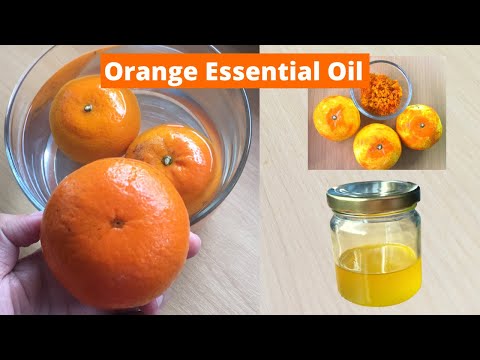
| Botanicals | Organic orange peels (dried bone-dry and ground), 10x Fold Orange Essential Oil |
| Tools | Digital scale, immersion blender, stainless steel or #5 plastic bowls |
| Molds | Silicone loaf mold (42oz standard) or individual cavity molds |
Key Techniques and Skills
Success with botanical soap relies on a few specific techniques to prevent spoilage and ensure a good texture:
- Dehydrating: Removing 100% of moisture from peels to prevent mold growth inside the soap.
- Micro-Grinding: Pulsing dried peels into a fine sand-like texture to avoid scratching the skin.
- Lye Safety: Properly mixing sodium hydroxide into water (always adding lye to water, never the reverse).
- Trace Management: Recognizing “trace” (when the batter thickens) to know exactly when to pour.
- Scent Anchoring: Mixing essential oils with clay or starch to help the scent survive the saponification process.
- Insulation: Wrapping the mold to force a “gel phase,” which makes the orange colors pop.
- Beveling: Trimming sharp edges off the cured bars for a professional finish.
- pH Testing: Verifying the soap is safe to use after the cure period.
Skill Level and Time Investment
This is not a project you can finish in an hour. It requires active work followed by a long period of patience.
| Skill Level | Time Investment | Key Milestones |
|---|---|---|
| Beginner | 3-5 hours active + 4 weeks cure | Learning lye safety and making a basic unscented batch. |
| Intermediate | 2-3 hours active + 4-6 weeks cure | Adding exfoliants like peel without acceleration; mastering scent retention. |
| Advanced | 1-2 hours active + 6+ weeks cure | Formulating custom recipes, creating intricate swirls, and consistent production. |
Advantages and Challenges
Like any craft, making botanical soap has its highs and lows. Here is what you can expect from the experience.
The Joys of the Craft:
- You have complete control over what touches your skin, eliminating synthetic chemicals.
- It is a fantastic way to upcycle food waste into something valuable.
- The cost per bar is significantly lower than buying artisan soap once you own the tools.
- The blend of chemistry and creativity satisfies both analytical and artistic urges.
- Finished bars make impressive, practical gifts that everyone actually uses.
- The soap making community is incredibly generous with knowledge and troubleshooting.
The Real Struggles:
- Initial equipment costs (molds, stick blender, scale) can be an investment.
- Working with lye requires a distraction-free environment, which is hard with kids or pets.
- Citrus scents are prone to fading, leading to disappointment if not anchored properly.
- The 4-6 week cure time requires patience before you can see the final result.
Real Project Applications
One of my favorite projects is the “Gardener’s Scrub Bar.” I make these every spring using a high percentage of coconut oil for cleaning power and coarse-ground orange peel. The grit is perfect for scrubbing soil from hands without being too abrasive. I pour them into simple rectangular molds and wrap them in brown paper; they are always a hit with my gardening friends.
Another application is a “Kitchen Deodorizing Soap.” Citrus is excellent for neutralizing odors like garlic and onion. For this, I use a very fine orange peel powder that adds a speckled look without the scratch. I often pair it with a poppy seed swirl for contrast. It turns a functional kitchen item into a beautiful sink-side accessory.
Replacing your water content with cooled orange peel tea (made from boiling dried peels) adds a lovely natural amber color to the soap batter.
I also create “Holiday Spice” bars. I infuse olive oil with dried peels for weeks before making the soap, then add ground clove and cinnamon. Never put whole dried orange slices inside the soap bar itself; they will rehydrate in the shower and rot. Instead, place them on top of the loaf as a decoration that can be removed before use.
The Learning Experience
When you first start, you will likely encounter “acceleration.” This happens when certain additives cause the soap batter to harden instantly in the bowl. I once ruined a batch by adding a floral fragrance that didn’t agree with the orange oil, resulting in a chunky mess I had to mash into the mold. It was a frustrating waste of materials, but I learned to test fragrances in small batches first.
New soap makers also often struggle with “soda ash,” a harmless white powder that forms on top of the soap. I found that spraying the fresh soap with isopropyl alcohol prevents this. The learning curve is steep initially due to safety fears, but once you get comfortable with lye, it becomes second nature.
Be extremely careful when grinding dried peels; the fine dust can be irritating to inhale. Always let the grinder settle before opening the lid.
The satisfaction of unmolding a perfect loaf is hard to describe. Slicing it reveals the internal design you couldn’t see before, like opening a present. Finding resources like online forums and YouTube tutorials helped me immensely when I was starting out and feeling overwhelmed.
Comparison with Similar Crafts
It helps to see how orange peel soap making compares to other popular crafting techniques.
| Aspect | Cold Process Soap | Melt & Pour Soap | Candle Making |
|---|---|---|---|
| Primary Challenge | Chemical safety (Lye) | Design aesthetics | Wick testing/Burn time |
| Creative Freedom | 100% (From scratch) | Limited (Pre-made base) | High (Vessel/Scent) |
| Wait Time | 4-6 Weeks | Hours | Days |
| Material Cost | Moderate | Higher (Bases are pricey) | Moderate |
Common Questions from Fellow Crafters
Q: Can I use fresh orange zest in my soap?
A: No. Fresh zest contains water and will rot inside the soap, causing mold. Always dehydrate your botanicals until they are crisp and snap when bent. This ensures a shelf-stable product.
Q: Why did my soap develop orange spots?
A: Orange or brown spots usually indicate “DOS” (Dreaded Orange Spots), which comes from rancid oils. However, fuzzy spots mean your peel wasn’t dry enough.
Q: How much peel should I add?
A: I recommend about 1 teaspoon of ground peel per pound of oils. More than that can make the soap too scratchy for comfortable use.
Q: Does the peel add scent?
A: Surprisingly, no. The peel adds texture and color, but the scent must come from essential oils. The peel’s scent doesn’t survive the chemical reaction.
Q: Is lye strictly necessary?
A: Yes, for cold process soap. No lye, no soap. It is the chemical agent that turns oil into soap. It is fully neutralized in the final bar.
Q: Can I use store-bought orange peel powder?
A: Absolutely. It is often much finer and more consistent than what you can grind at home, making it great for facial bars.

My Personal Results and Insights
I keep a log of all my batches to track what works. Here are my specific findings on orange peel inclusions.
| Technique | Outcome |
|---|---|
| Infused Oil | Resulted in a pale yellow oil. No scent survival, but good base color. |
| Peel at Trace | Best for exfoliation. Specks remained suspended and visible. |
| Fresh Zest | Total failure. Mold developed within a week. |
| Powder in Lye Water | Created a uniform, creamy orange-tan color. Very smooth bar. |
Final Thoughts and My Recommendation
After years of practice, I can confidently say that making orange peel soap is one of the most rewarding projects for a crafter. It combines the utility of a household staple with the creativity of an art form. There is a unique pride in using simple ingredients to create something that feels so luxurious.
“Soap making is the art of delaying gratification. You work hard today for a reward you can’t touch for a month, but that first use makes it all worthwhile.”
I highly recommend this craft to anyone who loves cooking, baking, or chemistry. It requires attention to detail and patience, but the results are worth it. If you want instant results, stick to melt-and-pour, but if you want to truly create, dive into cold process. The secret is consistent tension between following the rules of chemistry and letting your artistic side play with texture and design.