
There is something undeniably magical about standing in my kitchen, wearing safety goggles and an apron, and watching simple oils and an alkaline solution transform into a luxurious bar of solid soap.
For me, soap making started as a quest to cure my family’s sensitive skin issues, but it quickly blossomed into a passionate obsession with chemistry and artistic design.
- My Journey with Soap Making
- What This Craft Really Entails
- Essential Materials and Tools
- Key Techniques and Skills
- Skill Level and Time Investment
- Advantages and Challenges
- Real Project Applications
- The Learning Experience
- Comparison with Similar Crafts
- Common Questions from Fellow Crafters
- My Personal Results and Insights
- Final Thoughts and My Recommendation
My Journey with Soap Making
My first foray into soap making was born out of frustration with commercial beauty bars that left my skin feeling tight and itchy. I remember standing in the beauty aisle, reading ingredient lists full of unpronounceable detergents, and thinking there had to be a gentler way. I started with a simple “melt and pour” kit, which was fun, but I craved the total control of building a recipe from scratch.

That first batch was a simple olive oil castile soap, and although it took six weeks to cure, the first time I used it was a revelation. The lather was creamy and rich, unlike anything I had bought at a store, and my skin felt moisturized rather than stripped. From that moment on, my kitchen became my laboratory, filled with jars of dried botanicals, essential oils, and buckets of sustainable fats.
“Soap making is the perfect marriage of precise science and unbridled artistic expression.”
What This Craft Really Entails
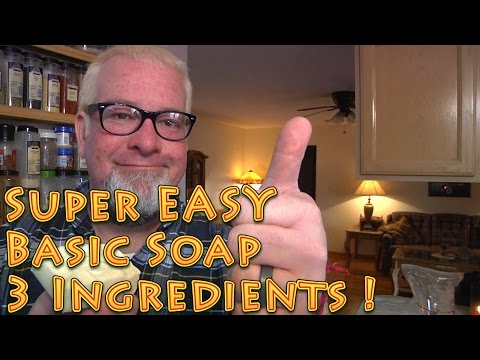
At its core, traditional soap making is a chemical process called saponification. This is the reaction that occurs when fatty acids (oils or butters) mix with a strong alkali (sodium hydroxide lye) and water. Once the reaction is complete and the soap has cured, no lye remains in the final product; you are left with pure soap and glycerin.
While many people think of soap as just a utility item, handcrafting it is much more like baking a complex cake where the oven is a chemical reaction. You must carefully balance your “hard” oils, like coconut or palm, which provide lather and firmness, with “soft” oils like olive or almond, which offer conditioning properties. Have you ever wondered why some artisan soaps feel like lotion while others give you that “squeaky clean” feeling?
There are three main methods you will encounter: Melt and Pour (using a pre-made base), Cold Process (mixing from scratch without external heat), and Hot Process (cooking the soap to speed up saponification). In this guide, I focus primarily on the Cold Process method, as it offers the most creative freedom and is the standard for professional artisans.
This craft is suitable for adults who can follow safety protocols strictly. It requires patience and precision—if you are the type of cook who throws in ingredients by eye, you will need to adjust your mindset. Soap making demands exact weights, as a gram of difference in lye can mean the difference between a safe bar and one that burns.
Never use aluminum utensils or pots when making soap, as the lye will react with the metal and create dangerous hydrogen gas.
Essential Materials and Tools
One of the best things about soap making is that you don’t need expensive industrial machinery, but you do need specific tools dedicated solely to this craft. Once a tool has touched lye or raw soap batter, it should not be used for food preparation again.
| Item Category | Specifications |
|---|---|
| Safety Gear | Heavy-duty rubber gloves, safety goggles (not just glasses), and long sleeves to protect skin from splashes. |
| Digital Scale | A kitchen scale that measures to the gram or 0.1 ounce; accuracy is non-negotiable in this craft. |
| Mixing Container | Heavy-duty plastic (recycling symbol #5) or stainless steel pots; glass is risky as lye heat can shatter it. |
| Immersion Blender | Also called a stick blender; this is essential for bringing the oil and lye water to “trace” before the batter cools. |
| Ingredients | Sodium Hydroxide (Lye), Distilled Water, and oils (Olive, Coconut, and Sustainable Palm are the “holy trinity”). |
| Molds | Silicone loaf molds are best for beginners as they make unmolding easy and require no lining. |
Key Techniques and Skills
Mastering soap making involves learning a sequence of steps that must be timed perfectly. It is similar to conducting an orchestra; if one section comes in too early or too late, the whole composition falls apart.
- Lye Solution Preparation: dissolving sodium hydroxide into water in a well-ventilated area while accounting for the exothermic heat reaction.
- Oil Blending: melting solid fats and combining them with liquid oils until they reach a similar temperature to the lye water.
- Achieving Trace: mixing the lye and oils until they emulsify; “trace” is the point where the batter leaves a trail on the surface when drizzled.
- Superfatting: calculating a specific excess of oil in the recipe to ensure the soap is moisturizing and not harsh on the skin.
- Scent Anchoring: mixing essential oils with a bit of clay or starch to prevent the scent from fading during the saponification process.
- Swirling: pouring different colored batters into the mold in specific patterns to create artistic designs inside the bar.
- Insulation: wrapping the mold in towels to force the soap through “gel phase,” which makes colors pop and the bar harder.
- Curing: storing the cut bars in a cool, dry place with airflow for 4-6 weeks to allow water to evaporate and the crystal structure to harden.
Always add your lye flakes to the water, never pour water onto lye flakes, to prevent a dangerous volcanic eruption of caustic liquid.
Skill Level and Time Investment
Soap making is a hobby that rewards patience. While the active work time is relatively short, the waiting periods are significant. Do not expect instant gratification like you might get with other crafts.
| Skill Level | Time Investment | Key Milestones |
|---|---|---|
| Beginner | 2-3 hours active time | Learning safety, understanding the trace stages, making a single-color batch. |
| Intermediate | 3-5 hours active time | Experimenting with milk or beer instead of water, creating layers, using multiple colorants. |
| Advanced | 5+ hours active time | Formulating original recipes, intricate piping designs, using expensive luxury oils and botanicals. |
Advantages and Challenges
After years of making my own soap, I can honestly say the benefits outweigh the difficulties, but it is important to go into this with open eyes. Here is what you can expect from the experience.
The Joys of the Craft:
- You have complete control over what touches your skin, eliminating synthetic detergents and preservatives.
- It is incredibly cost-effective in the long run, especially if you buy oils in bulk for large batches.
- The creative possibilities are endless, from rustically cut chunks to intricate, painting-like designs.
- Soap makes the ultimate personalized gift; people genuinely appreciate a consumable item that is useful and luxurious.
- There is a profound sense of self-reliance in knowing you can create a basic hygiene necessity from raw materials.
- The community of soap makers is vast and incredibly supportive, constantly sharing new swirl techniques and recipes.
The Realities to Consider:
- Working with sodium hydroxide lye carries inherent risks and requires a distraction-free environment without children or pets.
- The initial startup cost for molds, stick blenders, and large quantities of oil can be higher than other fiber arts.
- Soap “gremlins” are real; sometimes a batch creates “soda ash” (a white powder) or separates for no obvious reason.
- The waiting game of the curing process requires storage space where the soap won’t be disturbed for weeks.
Real Project Applications
One of my favorite projects to date was a gardener’s soap I formulated for spring. I used a high percentage of coconut oil for cleansing and added ground coffee beans and poppy seeds for heavy-duty exfoliation. I scented it with rosemary and lemon essential oils to cut through the smell of soil. It was a practical, rugged bar that looked beautiful with its speckled brown texture.
On the opposite end of the spectrum, I recently created a “bastile” soap (high olive oil count) for a friend’s baby shower. I infused the olive oil with calendula petals for weeks before starting, giving the oil a golden hue and soothing properties. I left it unscented and uncolored. The result was a creamy, gentle bar that was safe enough for a newborn’s skin.
Botanicals like lavender buds or rose petals inside the soap batter will eventually turn brown and rot; save them for decorating the very top of the bar.
Seasonal projects are also a huge hit. During the holidays, I make “coal” soap using activated charcoal and peppermint essential oil. It makes for a hilarious stocking stuffer that actually functions as a great facial cleanser for oily skin. The versatility of the medium means you can make a rugged scrubbing bar one day and a delicate facial bar the next.
The Learning Experience
When I first started, I struggled immensely with “false trace.” I would mix my batter, think it was thick enough, and pour it, only to have the oils separate from the water in the mold an hour later. It was heartbreaking to see expensive ingredients wasted. Have you ever tried to make mayonnaise and had it break? It’s the exact same sinking feeling.
The breakthrough came when I stopped being afraid of the stick blender. I learned to pulse it effectively and read the surface of the batter. I also joined a forum where veteran soapers explained that temperature control was my enemy—I was soaping too cool. Once I learned to soap with my oils and lye around 100°F, my consistency improved dramatically.
Keeping a dedicated notebook to record every recipe, temperature, and outcome is the single best habit for improving your consistency.
For beginners, I highly recommend watching videos to see what “trace” actually looks like in motion, as it is hard to describe in text. Books are great for recipes, but seeing the viscosity of the batter is key. Don’t be discouraged by your first few batches; even “ugly” soap usually cleans just fine.
Comparison with Similar Crafts
Soap making often gets grouped with candle making and other bath crafts, but the technical requirements are quite different. Here is how it stacks up against similar hobbies.
| Aspect | Cold Process Soap | Candle Making | Bath Bombs |
|---|---|---|---|
| Science Required | High (Chemical reactions) | Medium (Temperature points) | Medium (Humidity control) |
| Safety Risk | High (Caustic chemicals) | Medium (Fire hazard) | Low (Irritants only) |
| Wait Time | 4-6 Weeks (Cure) | 24-48 Hours (Set) | 24 Hours (Dry) |
| Cleanup | Difficult (Greasy) | Difficult (Waxy) | Easy (Powder/Water) |
Common Questions from Fellow Crafters
Q: Can I use drain cleaner lye from the hardware store?
A: Technically yes, if it is 100% sodium hydroxide, but I strongly advise against it. Hardware store lye often has metal shavings or other impurities. Always buy food-grade or cosmetic-grade lye from a reputable supplier.
Q: Why does my soap have a white dusty layer on top?
A: That is called soda ash. It’s harmless but unsightly. It happens when unsaponified lye reacts with air. You can prevent it by spraying the top with 99% isopropyl alcohol immediately after pouring.
Q: Can I use fresh fruit or juice in my soap?
A: Yes, but you must be careful. The sugars in fruit can cause the soap to overheat and volcano out of the mold. You typically freeze the juice or puree first and slowly mix the lye into the frozen mush to keep temperatures down.
Q: How do I know if my soap is safe to use?
A: If you followed a weighed recipe from a soap calculator, it should be safe after the cure. You can do a “zap test” by touching the soap to your tongue (like a battery). If it zaps, it’s lye heavy. If it tastes like soap, it’s safe.
If you have sensitive skin, have you considered that the “soap” you are using might actually be a synthetic detergent bar?

My Personal Results and Insights
Over the years, I have tracked my production to see if this hobby is actually viable. The data below reflects my averages after becoming proficient.
| Project Type | Outcome |
|---|---|
| Average Cost Per Bar | $1.50 – $2.50 (depending on essential oils) |
| Batch Success Rate | 95% (Failures usually due to new fragrance testing) |
| Cure Time Patience | Improved significantly (I now wait the full 6 weeks) |
| Skin Health | Noticeable reduction in winter dryness and eczema |
Final Thoughts and My Recommendation
Soap making is one of the most rewarding skills I have ever learned. There is a primal satisfaction in taking raw fat and turning it into a cleansing bar that is superior to anything you can buy in a supermarket. It reconnects you with the history of domestic science and gives you a deep appreciation for the chemistry of everyday life.
However, I must be honest: this is not a hobby for the impatient or the careless. It requires a clean workspace, strict adherence to safety rules, and the ability to measure precisely. If you have small children running around your crafting area, I would suggest starting with Melt and Pour soap until you can guarantee a safe environment for handling lye.
Always run every single recipe through a specialized online lye calculator, even if you found it in a book, to ensure the ratios are safe.
If you love cooking, baking, or chemistry, you will likely fall in love with cold process soap making. The combination of technical precision and artistic swirl designs offers a dual satisfaction that is hard to beat. I encourage you to buy a small amount of oils, don your goggles, and try it. Just remember: respect the lye, trust the process, and never stop stirring until you reach trace.

Considering scaling this for a workshop, what’s the cost-effectiveness of using lye versus alternative ingredients, and are there safety considerations we should prioritize for unsupervised learning?
When it comes to cost-effectiveness, lye is generally the most affordable option for soap making, but safety is a top priority. For unsupervised learning, I recommend using protective gear and having a well-ventilated area. It’s also crucial to follow the recipe and instructions carefully to avoid any accidents. For workshops, you might consider using a lye calculator to ensure accurate measurements.