There is a singular magic in transforming loose, chaotic wool fibers into a sturdy, unified fabric, and for years, I struggled to find the perfect medium to facilitate this metamorphosis. It wasn’t until I discovered the technique of whipping up a dense, meringue-like soap foam that my wet felting practice truly elevated from a messy experiment to a precise art form. This simple yet revolutionary substance allows us to wet out delicate fiber layouts without displacing a single strand, bridging the gap between frustration and mastery.
- My Journey with Soap Foam
- What This Craft Really Entails
- Essential Materials and Tools
- Key Techniques and Skills
- Skill Level and Time Investment
- Advantages and Challenges
- Advantages
- Challenges
- Real Project Applications
- The Learning Experience
- Comparison with Similar Crafts
- Common Questions from Fellow Crafters
- My Personal Results and Insights
- Final Thoughts and My Recommendation
My Journey with Soap Foam
I still remember the afternoon I almost quit wet felting entirely. I had spent three hours meticulously laying out a landscape of wispy merino wool and tussah silk, trying to capture the gradient of a twilight sky. When I poured my water and liquid soap mixture over it, the fibers immediately shifted, washing away my carefully crafted clouds and leaving me with a muddy, distorted mess. I was heartbroken and soaked.
My breakthrough came when I attended a workshop by a visiting textile artist from Eastern Europe who didn’t bring a spray bottle or a jug of water. Instead, she pulled out a bowl of stiff, white foam that looked exactly like shaving cream. She gently patted this foam onto her wool, and the fibers drank up the moisture while staying perfectly in place.
That moment changed everything for me. I went home that night and spent weeks perfecting my own ratio of olive oil soap to water, learning that the quality of your lather dictates the quality of your felt. Since then, I’ve never looked back, and my studio is always stocked with a jar of this “sculptor’s foam.”
What This Craft Really Entails
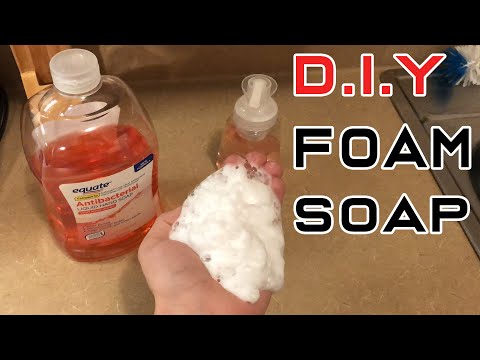
Making soap foam for fiber arts is specifically the process of creating a high-density, low-water lather used primarily in wet felting and textile cleaning. While it might sound like child’s play—and indeed, a looser version is often used for sensory bins—the artisan version is a technical material. In traditional felting circles, it is sometimes referred to as “dry sudsing” or “cloud application.” The goal is to create a substance that holds moisture in suspension, allowing you to control exactly where and how fast the water penetrates your wool fibers.

This technique is best suited for intermediate to advanced felters who are tired of the “sprinkle and pray” method of wetting down wool. However, beginners should absolutely learn it early; it saves so much heartache. Unlike knitting or crochet where the tension is in your hands, in wet felting, the tension is managed by your moisture control. By mastering soap foam, you are essentially learning to manage the chaos of water.
Many artisans confuse this with “whipped soap” used in bath products, but our goal here isn’t skin cleansing—it’s fiber penetration and lubrication without saturation.
Essential Materials and Tools
The beauty of this craft lies in its simplicity; you don’t need expensive equipment, but the quality of your soap is non-negotiable. I always recommend olive oil soap because it is gentle on your hands during the long agitation process and kind to natural animal fibers.
| Item Category | Specifications |
|---|---|
| Primary Soap | Olive Oil Soap (Savon de Marseille or Castile), 72% oil content preferred |
| Water | Boiling hot water (soft water works best for lather) |
| Agitation Tool | Electric hand mixer, immersion blender, or a sturdy balloon whisk |
| Container | Large glass or stainless steel mixing bowl (avoid plastic if possible as it holds oils) |
| Grating Tool | Standard kitchen box grater (fine mesh side) |
| Optional Additive | A drop of washing-up liquid (adds bubble stability) or lanolin (for hand care) |
Key Techniques and Skills
Creating the perfect foam is about timing and temperature. Here are the core techniques you will master:
- Soap Grating: Reducing a solid bar into fine shavings to ensure quick and even dissolution in water.
- The “Jelly” Stage: Dissolving soap in hot water and letting it cool into a gelatinous slime before whipping (the secret to stable foam).
- High-Speed Whipping: Introducing air into the mixture until stiff peaks form, similar to making meringue.
- Testing Stability: The “upside-down test”—if you can tip the bowl and the foam doesn’t slide, it’s ready.
- The “Cloud” Application: Gently patting handfuls of foam onto dry wool without rubbing.
- Re-whipping: Reviving foam that has settled or separated during a long felting session.
- Suds Control: Knowing when you have too much foam, which can actually prevent fibers from locking together.
- Rinsing: Removing the dense soap residue from finished felt without shocking the fibers.
I have found that letting your dissolved soap mixture sit overnight to form a thick gel before whipping creates the most luxurious, long-lasting foam you will ever use.
Skill Level and Time Investment
This is a low-barrier technique that pays dividends in your main craft. You can learn to make the foam in a single afternoon, though perfecting the consistency for different wool types takes practice.
| Skill Level | Time Investment | Key Milestones |
|---|---|---|
| Beginner | 20-30 Minutes | Successfully creating a foam that holds its shape for 5 minutes. |
| Intermediate | 1 Hour (plus cooling) | Mastering the “gel method” and creating foam that lasts an entire felting session. |
| Advanced | Ongoing refinement | Adjusting foam density for different fibers (alpaca vs. merino) and specific project needs. |
Be careful not to inhale the fine soap dust when you are grating dry bars of soap—it can be surprisingly irritating to your throat.
Advantages and Challenges
Why go through the trouble of whipping soap when you could just squirt dish soap into water? Here is what the community and I have experienced:
Advantages
- Precision Control: Foam stays exactly where you put it, allowing for intricate color work without bleeding.
- Fiber Protection: It sits on top of the wool, slowly saturating it, rather than crushing the air out immediately.
- Water Conservation: You use significantly less water, keeping your workspace tidier.
- Skin Health: Olive oil foam is incredibly moisturizing, unlike harsh detergents that dry out your hands.
- Visual Clarity: The white foam disappears as you work, giving you a clear indicator of which areas are vetted out.
- Lubrication: It provides a superior “glide” for your hands during the rubbing stage of felting.
Challenges
- Preparation Time: It requires advance planning; you can’t just turn on the tap and go.
- Mess Potential: If you over-whip, you can end up with a kitchen covered in flying suds.
- Temperature Sensitivity: Foam can collapse quickly in very cold rooms or on cold tables.
- Residue: Because it is concentrated soap, rinsing the finished piece takes a bit longer than usual.
Real Project Applications
The most profound application for this dense foam is in creating “watercolor” felt paintings. I recently worked on a piece depicting a stormy seascape. By using stiff foam, I was able to lay down thin, translucent layers of silk handkerchiefs over the wool base. The foam held the silk in place like glue, allowing me to rub the surface immediately without waiting for water to soak through. The result was crisp definition between the crashing waves and the dark sky, something impossible with liquid water.
Another practical application is making 3D vessels or hats. When working around a resist (the plastic template inside the felt), gravity is your enemy. Water tends to drain down, leaving the top dry and the bottom soggy. Soap foam clings to the vertical sides of the project, ensuring even moisture distribution. I’ve used this to make seamless slippers where the heels need just as much attention as the soles.
Beyond felting, I have used this same foam technique for “bubble printing” on fabric. You mix acrylic paint or ink into the foam, pile it onto paper or treated cotton, and let the bubbles pop naturally. It leaves behind organic, cellular patterns that are stunning for quilting backgrounds or mixed media art. It’s a fantastic way to use up leftover foam from a felting session.
“The medium dictates the message. If your water is chaotic, your art will be chaotic. If your foam is controlled, your art will be precise.” — A mentor from my early guild days.
The Learning Experience
When you first try this, you will likely make the mistake of adding too much water. We all do it. You’ll end up with a bowl of bubbly water rather than a stiff meringue. It’s frustrating, but it’s part of the process. I remember standing in my kitchen with a hand mixer, splashing soapy water all over my backsplash, wondering why it wouldn’t peak. The secret, I learned, is patience—letting the soap dissolve fully and using less water than you think you need.
There are excellent resources online, particularly in wet felting forums and YouTube channels dedicated to fiber arts. I found that watching pastry chefs whip egg whites actually helped me more than some craft tutorials, as the physics of air incorporation are identical. The community is generally very supportive; if you post a picture of your “failed” runny foam, you’ll get five different tips on how to salvage it (usually by adding more grated soap).
The satisfaction of sticking your hand into a bowl of cool, dense, firm foam is incredibly sensory and therapeutic. It feels substantial, like a tool rather than just a cleaning agent. Does it sound silly to get excited about bubbles? Maybe to an outsider, but to a crafter, it’s the texture of potential.

Comparison with Similar Crafts
How does this method compare to other wetting agents used in fiber arts? It’s important to understand where soap foam sits in the ecosystem.
| Aspect | Whipped Soap Foam | Liquid Detergent Splash | Olive Oil Bar Rub | Commercial Felting Solution |
|---|---|---|---|---|
| Control | High (stays in place) | Low (runs everywhere) | Medium (requires friction) | Medium (spray bottle) |
| Prep Time | 15-20 Minutes | Instant | Instant | Instant |
| Cost | Low (bulk bar soap) | Low to Medium | Low | High |
| Fiber Safety | Excellent | Fair (can be harsh) | Good | Good |
I’ve successfully used this foam on 100% cashmere fibers, which are notoriously difficult to felt. The foam was gentle enough to prevent pilling while efficient enough to lock the fibers.
Common Questions from Fellow Crafters
Q: Can I use regular dish soap instead of olive oil soap?
A: Yes, you can, and it will foam up beautifully. However, dish soap is designed to strip grease. In felting, wool has natural oils (even after processing) that keep it healthy. Dish soap can make the fibers brittle and dry out your hands terribly. I only use it for the “bubble printing” on paper, never for fine wool.
Q: How long does the foam stay stiff?
A: If you whipped it to stiff peaks, it can last for about 30 to 60 minutes before it starts to weep (turn back into liquid) at the bottom. You can usually give it a quick re-whip to bring it back to life.
Q: Will the food coloring in the foam stain my wool?
A: If you are making colored foam for printing or sensory play, yes. For felting, we keep the foam white (uncolored). Never add dye to your felting foam unless you intentionally want to stain the fiber.
Q: Why isn’t my foam peaking?
A: You likely have too much water or your water wasn’t hot enough to dissolve the soap initially. It needs to be a concentrated solution. Try adding more grated soap and heating it gently, then let it cool before whipping again.
Q: Can I store the leftover foam?
A: The foam itself will collapse, but the liquid/gel residue can be stored in a jar. Next time you need it, just heat it up slightly and whip it again. It’s very reusable!
Q: Is this the same as the “soap slime” I’ve heard of?
A: They are cousins. Soap slime is the gelatinous stage before whipping. Some felters use the slime directly; I prefer whipping the slime into foam because it spreads further and feels lighter on delicate layouts.
Never pour boiling hot soap foam directly onto loose wool. Let it cool to a lukewarm temperature first, or you risk felting the spot you touched instantly and unevenly (shocking the wool).
My Personal Results and Insights
Switching to soap foam changed the metrics of my studio work significantly. I tracked my materials and time for a month to see if the extra prep time was worth it.
| Project Type | Outcome with Foam vs. Water |
|---|---|
| Nuno Felting (Wool on Silk) | 50% less fiber migration; clearer designs. |
| Thick Rug Making | Reduced arm fatigue significantly due to better lubrication. |
| Water Usage | Used 2 liters per project vs. 5-6 liters previously. |
| Drying Time | Finished pieces dried 30% faster because they were never sodden. |
If we spend hundreds of dollars on premium hand-dyed wool, why do we skimp on the one ingredient that touches every single fiber—the soap?
Final Thoughts and My Recommendation
Making your own soap foam is one of those “level-up” skills that separates the hobbyist from the artisan. It requires a small investment of time and a shift in mindset—treating your agitation agent as a tool rather than a utility. For anyone serious about wet felting, I cannot recommend it highly enough. It grants you a level of control that simply doesn’t exist with a spray bottle or a sponge.
If you are a beginner, it might feel like an extra step you don’t need yet. But I argue that beginners need more control, not less. Starting with foam prevents the heartbreak of shifting designs and bald spots in your felt. It turns the wetting process into a gentle, meditative act rather than a race against gravity. Even if you only use it for complex projects, having this skill in your repertoire is invaluable.
Is it worth the elbow grease to grate and whip soap? Absolutely. The creamy, rich lather protects your fibers, saves your hands, and honestly, makes you feel like a mad scientist in the studio. Give it a try on your next project—your wool will thank you.