I still remember the day I stared at a drawer full of soap scraps, feeling guilty about the waste. That moment launched my journey into transforming bar soap into liquid form, and it’s become one of my favorite money-saving crafts. What started as a practical solution has evolved into something I genuinely enjoy creating.
- My Journey with Liquid Soap Making from Bar Soap
- What This Craft Really Entails
- Essential Materials and Tools
- Key Techniques and Skills
- Skill Level and Time Investment
- Advantages and Challenges
- Real Project Applications
- The Learning Experience
- Comparison with Similar Crafts
- Common Questions from Fellow Crafters
- My Personal Results and Insights
- Final Thoughts and My Recommendation
My Journey with Liquid Soap Making from Bar Soap
When I first discovered you could convert bar soap into liquid soap, I was skeptical. My initial attempt was a disaster involving a stockpot full of what I can only describe as slimy gel. But once I learned the proper techniques and ratios, everything changed. Now I make gallons of liquid soap from a single bar, saving money and reducing waste in the process.

What This Craft Really Entails
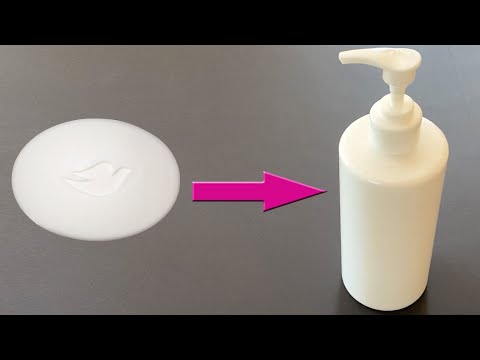
Making liquid soap from bar soap is essentially a dilution process. You’re taking solid soap made with sodium hydroxide and breaking it down into a pourable consistency by controlling the soap-to-water ratio. It’s not true liquid soap in the chemical sense, but it functions beautifully for everyday use.
The technique has roots in practical homesteading and zero-waste living. As people sought ways to extend their soap supplies and reduce packaging waste, this method gained popularity. Today, it’s embraced by eco-conscious crafters and budget-savvy households alike.
Here’s something most tutorials don’t tell you upfront: you’re not making authentic liquid soap. Real liquid soap requires potassium hydroxide, not sodium hydroxide. What you’re creating is diluted bar soap, which has a different consistency and behavior. It works wonderfully for most applications, but understanding this distinction helps manage expectations.
The core skill involves grating soap into fine pieces and dissolving them in heated water at specific ratios. Typical proportions range from four ounces of soap to one gallon of water, though this varies based on your desired thickness. Too much soap creates gel, while too much water produces something barely thicker than water itself.
Ever wonder why your first batch turned into a solid block overnight? The soap-to-water ratio is everything. I learned this lesson the hard way when I dissolved an entire kilogram of soap in one pot. The next morning, I had essentially created a giant bar soap stuck in my pot.
Temperature control matters more than you might think. If your lye solution and oils are too hot when mixing, you risk overheating the soap. Work at temperatures well under one hundred twenty degrees Fahrenheit for best results. This prevents the mixture from becoming too thick too quickly or developing an unpleasant texture.
This craft suits beginners beautifully because the stakes are low. If your consistency isn’t right, you simply reheat and adjust. Intermediate crafters appreciate how customizable the process becomes once you understand the fundamentals. Advanced makers experiment with different soap bases, additives like glycerin, and preservation methods for longer shelf life.
Compared to making soap from scratch, this method requires zero handling of lye. That makes it significantly safer and more approachable. Unlike cold process soap making, which demands precise measurements and curing time, liquid soap conversion gives you usable product within twenty-four hours.

Essential Materials and Tools
| Item Category | Specifications |
|---|---|
| Bar Soap | Natural bar soap without heavy additives; cold process soaps work best; avoid glycerin-only or melt-and-pour soaps which become stringy; typical amount is one bar or four ounces; castile, shea butter, Dove, and African black soap all work well |
| Distilled Water | Three to four cups per half bar of soap; distilled prevents bacterial growth and mineral interference; bottled water works as alternative; never use tap water with high chlorine or mineral content |
| Cheese Grater | Box grater with medium holes; dedicated to soap making to avoid food contamination; metal preferred over plastic for durability |
| Cooking Pot | Stainless steel or enamel pot; minimum two-quart capacity; avoid aluminum which can react with soap |
| Vegetable Glycerin | Optional but recommended; one to two tablespoons per cup of liquid soap; adds moisture and creamier texture; available at craft stores for approximately five to ten dollars per bottle |
| Storage Containers | Pump bottles or foaming soap dispensers; glass or food-safe plastic; eight-ounce to sixteen-ounce capacity; funnel helpful for transfer |
| Whisk or Immersion Blender | For mixing and preventing separation; electric mixer optional but helpful for smoother consistency; whisk adequate for small batches |
| Preservative | Optional for extended shelf life; leucidal liquid or phenoxyethanol; use three to four percent of total mixture; necessary only for batches lasting beyond one month |
Key Techniques and Skills
- Grating soap into fine shavings for faster dissolution and smoother final texture
- Heating water to just below boiling without creating excessive foam or overflow
- Gradually stirring in soap flakes while maintaining consistent temperature
- Monitoring for complete dissolution by checking for remaining solid pieces
- Adjusting water-to-soap ratios to achieve desired consistency from gel to liquid
- Adding glycerin after soap dissolves to create creamy, moisturizing texture
- Cooling mixture properly to prevent separation or gel formation
- Whisking or blending cooled soap to maintain uniform consistency
- Testing thickness the morning after to determine if additional water needed
- Troubleshooting slimy or separated batches through reheating and remixing
- Incorporating essential oils at correct dilution rates without destabilizing mixture
- Storing finished soap in appropriate containers with proper labeling and dating
Skill Level and Time Investment
| Skill Level | Time Investment | Key Milestones |
|---|---|---|
| Beginner | Thirty minutes active time plus twelve to twenty-four hours cooling; first successful batch within one day | Successfully grating soap; achieving complete dissolution; producing usable liquid soap; understanding basic ratios |
| Intermediate | Twenty minutes active time with quicker setup; multiple batches in one session possible; experimentation adds fifteen to thirty minutes | Adjusting consistency without waste; troubleshooting separation issues; creating custom scent blends; mastering different soap types |
| Advanced | Fifteen minutes for standard batch; batch production of five to ten gallons; developing personalized recipes | Perfect consistency on first try; creating whipped soap variations; incorporating preservatives correctly; teaching others successfully |
| Common Challenges | Initial learning curve requires two to three failed batches; understanding soap chemistry takes several weeks of practice | Overcoming gel formation; managing slimy texture; preventing separation; achieving commercial-like consistency |
Advantages and Challenges
Benefits:
- Extreme cost savings with one bar creating up to one gallon of liquid soap
- Zero-waste solution for using soap scraps and small broken pieces
- Eliminates plastic bottle purchases when using refillable dispensers
- Complete control over ingredients and scents added to final product
- Significantly safer than making soap from scratch with lye
- Quick turnaround with usable product in twenty-four hours or less
- Customizable consistency from thin liquid to thick gel depending on preference
- Family-friendly activity that children can help with under supervision
One bar of handmade soap that costs five dollars can create enough liquid soap to fill three standard dispensers. Compare that to buying three bottles of natural liquid soap at eight dollars each, and you’re saving nineteen dollars per batch. Over a year, that’s substantial savings for households using lots of soap.
Challenges:
- Never achieves exact consistency of commercial liquid soap due to different chemistry
- Can develop slimy or gel-like texture if ratios aren’t precise
- May separate or solidify overnight requiring adjustment in the morning
- Some soap types create cloudier liquid than others due to oil composition
- Requires patience during cooling period before knowing if consistency is right
- Scent from original bar fades significantly in diluted form
Real Project Applications
Hand soap remains the most popular application. I keep dispensers in every bathroom and at the kitchen sink. The soap works effectively for washing hands throughout the day without drying skin the way some commercial soaps do. Each eight-ounce dispenser lasts my family of four approximately two weeks.
Body wash represents another excellent use. The slightly thinner consistency works beautifully in the shower, creating adequate lather for full-body cleansing. I prefer this application for soap made from shea butter or African black soap bars, which add extra moisturizing properties.
Dish soap might surprise you, but diluted castile soap works wonderfully for washing dishes. The natural formula cuts grease effectively while remaining gentle on hands. I use a slightly more concentrated ratio for dishes, about six ounces of soap to one gallon of water, giving it more cleaning power.
Household cleaning applications include adding liquid soap to spray bottles for surface cleaning. Mixed with water and a splash of vinegar, it creates an effective all-purpose cleaner. I’ve successfully used it for cleaning shower walls, countertops, and even as a pre-treatment for laundry stains.
Gift-giving provides creative opportunities. Pour homemade liquid soap into attractive bottles with custom labels for holidays or housewarmings. I’ve created seasonal variations using pumpkin spice soap for autumn gifts and lavender for spring.
The foam soap dispenser trick deserves special mention. Regular liquid soap becomes luxurious foaming soap simply by using a foaming pump. The secret isn’t in the soap itself but in the specialized pump mechanism that aerates it during dispensing. This stretches your soap even further while creating a spa-like experience.
The Learning Experience
Most beginners start with excessive optimism and create their first batch way too thick. I certainly did. My inaugural attempt solidified into a block I could barely chip out of the container. This teaches the critical importance of starting conservative with soap amounts and adding more gradually if needed.
Sound familiar? That moment when you pour what looks like perfect liquid soap into containers, only to find solid gel the next morning? Every liquid soap maker has been there. The good news is that gel isn’t ruined, just too concentrated. Simply reheat with additional water and try again.
Common early mistakes include using the wrong type of soap. Glycerin soap and melt-and-pour bases create stringy, unpleasant textures. Cold process and hot process soaps deliver much better results. Learning this distinction saves considerable frustration and wasted materials.
YouTube videos provide excellent visual guidance for understanding proper grating technique and dissolution signs. I particularly benefited from watching experienced makers demonstrate how dissolved soap should look in the pot. Written instructions alone didn’t convey the visual cues as effectively.
Online forums and Facebook groups dedicated to soap making offer incredible support. When my soap kept separating, a forum member suggested I was working with temperatures that were too cool. That single tip transformed my results completely. The community aspect makes learning faster and more enjoyable.
The satisfaction factor grows with each successful batch. There’s genuine pleasure in transforming a simple bar into multiple bottles of usable product. My breakthrough came when I realized consistency adjustments could happen the next day rather than getting everything perfect during the initial mixing. This removed the pressure and made the entire process more relaxed and experimental.
Comparison with Similar Crafts
| Aspect | Liquid Soap from Bar Soap | Cold Process Soap Making | Melt and Pour Soap |
|---|---|---|---|
| Ease of Learning | Very easy; minimal technique required; forgiving of mistakes | Moderate difficulty; requires understanding chemistry; precise measurements critical | Easy; beginner-friendly; primarily creative rather than technical |
| Material Costs | Extremely low; one bar plus water creates large quantity; approximately five dollars per gallon | Moderate initial investment; oils, lye, molds needed; ten to twenty dollars per batch | Moderate; soap base costs add up; five to fifteen dollars per pound of finished soap |
| Time to Usable Product | Twenty-four hours including cooling time; immediately usable after cooling | Four to six weeks curing required after initial creation; total time intensive | Hours to harden after pouring; usable same day or next day |
| Safety Considerations | Very safe; no lye handling; basic cooking precautions only | Requires careful lye safety protocols; protective equipment essential; chemical burns possible | Minimal safety concerns; hot soap base main hazard; suitable for children with supervision |
| Customization Options | Limited to scent additions and consistency adjustments; base soap determines properties | Complete control over ingredients, oils, additives, and properties; highly customizable | Moderate customization; can add colors, scents, and some additives; base formula fixed |
Common Questions from Fellow Crafters
Q: Why does my liquid soap turn into gel or completely solidify overnight?
A: The soap-to-water ratio is too high. You’ve used too much soap for the amount of water. Reheat the mixture and add more distilled water gradually, stirring until it reaches your desired consistency. Start with adding one cup of water at a time, letting it cool again to test the result. This is the most common issue beginners face.
Q: Can I use any bar of soap for this process?
A: Not all soaps work equally well. Cold process and hot process soaps deliver the best results. Avoid glycerin-only soaps and melt-and-pour bases, which create stringy, unpleasant textures. Dove soap, castile soap, and handmade natural soaps work beautifully. Very dry, old bars don’t dissolve as smoothly, so use soap with some moisture content remaining.
Never use tap water for making liquid soap. Tap water contains minerals, chlorine, and other compounds that can introduce bacteria and affect the soap’s stability. Always use distilled water or at minimum, bottled water. This single choice prevents most preservation and consistency problems.
Q: How long does homemade liquid soap last without preservatives?
A: Without preservatives, use your soap within one month when stored at room temperature. The high pH of soap provides some natural preservation, but adding water creates opportunity for bacterial growth. If you want longer shelf life, add a broad-spectrum preservative like leucidal liquid at three to four percent of the total mixture. With preservatives, soap lasts six to twelve months.
Q: Why is my soap slimy instead of smooth?
A: This relates to the chemistry of sodium hydroxide soap in water. True liquid soap uses potassium hydroxide, which creates a different molecular structure. Bar soap diluted in water will always have some slimy quality compared to commercial liquid soap. You can minimize this by using soap made with coconut oil, palm oil, or other harder oils. Adding glycerin also helps create a creamier, less slimy texture.
Q: Can I add essential oils to scent my liquid soap?
A: Yes, but add them after the soap has cooled completely. Use a one to two percent dilution rate, which means six to twelve drops per ounce of finished soap. For an eight-ounce bottle, use forty-eight to ninety-six drops. The scent from the original bar will be very faint in the diluted soap, so adding additional fragrance makes sense. Mix essential oils with fragrance oils for longer-lasting scent.
Q: My soap separated with oil floating on top. What went wrong?
A: The original bar soap likely had high superfat content or contained oils with unsaponifiables like jojoba. When diluted, these excess oils separate and float. You can whisk the soap vigorously before each use, but for a permanent fix, choose soap bars with lower superfat percentages. Commercial soaps like Dove or castile soap typically don’t have this problem.
Q: Is making liquid soap from bar soap actually worth the effort?
A: For households using significant amounts of soap, absolutely. The cost savings are substantial, with one five-dollar bar creating the equivalent of three or more bottles of liquid soap. The time investment is minimal once you understand the process. Plus, if you already make bar soap, this provides an excellent way to use scraps and odd pieces that would otherwise be wasted.
Q: Can I make foaming hand soap using this method?
A: Definitely, and it’s incredibly easy. Simply use a foaming soap pump dispenser instead of a regular pump. The specialized mechanism in foaming pumps aerates the soap as it dispenses, creating luxurious foam. Your regular liquid soap works perfectly in these dispensers without any recipe modifications. This makes your soap stretch even further while delivering a premium hand-washing experience.
My Personal Results and Insights
| Project Type | Outcome |
|---|---|
| Hand Soap for Family | One bar creates three eight-ounce dispensers; lasts approximately six weeks for family of four; saves approximately sixty dollars annually compared to buying natural liquid soap |
| Gift Batches | Holiday gifts using seasonal scented bars; bottles cost two dollars each for attractive containers; total gift cost approximately four dollars versus fifteen dollars for store-bought artisan liquid soap |
| Body Wash | African black soap bar makes excellent moisturizing body wash; consistency slightly thinner works better for shower use; one bar provides eight weeks of daily showers |
| Dish Soap | Castile soap bars work effectively; more concentrated ratio needed; cuts grease adequately for hand washing dishes; gentle on skin with eczema |
| Cleaning Solution | Diluted soap mixed with vinegar creates multi-purpose cleaner; works on counters, sinks, shower walls; one batch fills multiple spray bottles; lasts three months |
| Learning Curve | Three failed batches before mastering consistency; gel formation taught ratio importance; separation issues resolved by choosing better soap bases |
Final Thoughts and My Recommendation
Making liquid soap from bar soap represents one of the most practical crafts I’ve learned. The combination of significant cost savings, waste reduction, and genuine usefulness makes it worth mastering. Unlike purely decorative crafts, this one serves daily functional needs while reducing environmental impact through less packaging waste.
The learning curve is remarkably gentle. Yes, your first batch might solidify into an unusable block, but that teaches you more than any tutorial could. Each adjustment brings you closer to understanding how soap-to-water ratios work in practice. Within three or four attempts, most people achieve consistent success.
The main limitation is that your homemade version will never exactly replicate commercial liquid soap’s texture and performance. The chemistry simply differs because you’re working with sodium hydroxide soap rather than potassium hydroxide. Some people find the slightly slimy quality off-putting. If texture perfection matters to you, this craft might disappoint.
For beginners, I highly recommend starting with a small batch using half a bar of soap. This reduces material waste if consistency isn’t right and allows easier adjustment. Use distilled water without exception, and don’t skip the overnight cooling period before making final judgments about thickness.
Intermediate crafters will enjoy experimenting with different soap bases to discover which create the smoothest liquid soap. Adding glycerin elevates the final product significantly, creating that creamy texture closer to commercial formulas. Playing with scent combinations after cooling lets you customize without affecting stability.
The most rewarding aspect isn’t actually the money saved, though that’s substantial. It’s the satisfaction of transforming something simple into something useful while reducing waste. Every time I use my homemade soap, there’s a small moment of pride in having created it myself.
The time investment remains minimal even as you scale up production. Once you’ve found your preferred ratio and technique, making a gallon of liquid soap takes less than thirty minutes of active time. That’s incredible value for the quantity produced and money saved over buying commercial products.
For anyone interested in zero-waste living, sustainable household practices, or simply saving money on everyday essentials, learning to make liquid soap from bar soap is highly worthwhile. The skills transfer easily once learned, and the practical benefits compound over time. It’s one of those rare crafts that pays for itself many times over while genuinely improving daily life.