
There is something profoundly grounding about transforming raw fats and hazardous alkali into a gentle, luxurious bar of soap that nourishes the skin. I still remember the scent of lavender and oat milk filling my grandmother’s kitchen, a sensory memory that sparked my lifelong obsession with this chemistry-meets-artistry craft.
- My Journey with Soap Making
- What This Craft Really Entails
- Essential Materials and Tools
- Key Techniques and Skills
- Skill Level and Time Investment
- Advantages and Challenges
- Real Project Applications
- The Learning Experience
- Comparison with Similar Crafts
- Common Questions from Fellow Crafters
- My Personal Results and Insights
- Final Thoughts and My Recommendation
My Journey with Soap Making
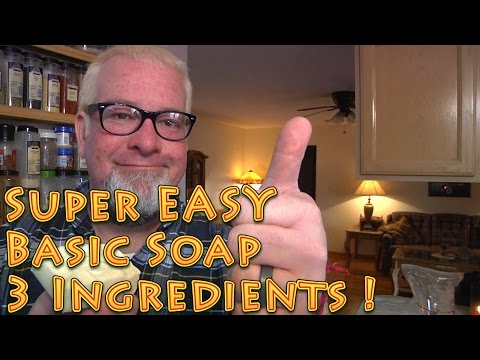
I started making soap not out of a desire for business, but out of necessity and curiosity. My skin was constantly irritated by commercial detergents, and I wanted to know exactly what I was putting on my body. My first attempt at cold process soap was, quite frankly, a nerve-wracking experience involving goggles, rubber gloves, and a healthy fear of lye.
There is a unique magic in the moment when oil and water, two ancient enemies, finally agree to dance together and become something entirely new.
I remember standing over my stainless steel pot, watching the oils swirl, terrified I would cause a chemical explosion. I didn’t, of course. instead, I watched the mixture turn opaque and creamy, thickening into what we call “trace.” That first batch was unscented and ugly, but when I used it weeks later, the lather was richer than anything I’d ever bought. That tactile success hooked me instantly.
What This Craft Really Entails
At its heart, true artisan soap making—specifically the cold process method—is a delicate balance of science and art. It is the practice of combining fatty acids (oils and butters) with a strong base (sodium hydroxide lye) to create a chemical reaction called saponification. This isn’t just melting existing soap base; it is creating soap from scratch.
Historically, this craft dates back to ancient Babylon, where wood ash was used as the alkali. Today, we have the luxury of standardized lye, which allows for consistent and safe results. It transforms the craft from a frontier necessity into a sophisticated medium for artistic expression.
Saponification is the chemical reaction where triglycerides in fats interact with lye to produce soap and glycerin. The glycerin, often removed in commercial soaps, is left in handmade bars, acting as a natural humectant that draws moisture to the skin.
Many beginners confuse “melt and pour” crafting with cold process soap making. While melt and pour is fun, cold process requires you to formulate recipes, calculate lye ratios, and manage temperatures. It is best suited for those who appreciate precision and have the patience to wait weeks for their work to come to fruition.

The process involves melting solid oils, mixing lye into water (which generates intense heat), and then blending the two phases until they emulsify. Once the batter reaches the right consistency, we add fragrances, essential oils, and botanicals before pouring it into a mold. It’s similar to baking a cake, but you absolutely cannot lick the spoon.
Essential Materials and Tools
To start, you don’t need a laboratory, but you do need dedicated equipment that will never be used for food again. Here is what I rely on for every batch.
| Item Category | Specifications |
|---|---|
| Safety Gear | Heavy-duty rubber gloves, safety goggles (splash protection), long sleeves. |
| Measuring Tools | Digital kitchen scale (measures to 0.1g or 0.01oz) and infrared thermometer. |
| Mixing Tools | Immersion blender (stick blender), heat-safe plastic or stainless steel pitchers (no aluminum). |
| Base Oils | Olive oil, Coconut oil, Sustainable Palm oil, or Shea butter. |
| Chemicals | 100% Sodium Hydroxide (Lye) flakes or beads; Distilled water. |
| Molds | Silicone loaf molds or individual cavity molds; wood cutter for loafs. |
Key Techniques and Skills
Mastering soap making requires developing a “feel” for the batter. Here are the core techniques I’ve honed over the years:
- Lye Safety Management: Proper handling, storage, and neutralization of caustic materials.
- Precision Weighing: Understanding that chemistry doesn’t care about volume; every gram counts.
- Temperature Control: Mixing oils and lye water when they are within 10 degrees of each other (usually 100°F–110°F).
- Recognizing Trace: Identifying light, medium, and thick trace to know when to pour or swirl.
- Stick Blending: Using short bursts to emulsify without introducing too many air bubbles.
- Swirling: Pouring different colored batters simultaneously to create marbling effects.
- Insulation: Encouraging the gel phase by wrapping the mold to brighten colors and harden the soap.
- Curing: Rotating bars in a dry environment to allow excess water to evaporate.
ALWAYS add the lye flakes to the water, never pour water onto lye flakes, as this can cause a volcanic eruption of caustic liquid.
Skill Level and Time Investment
This is not a craft for instant gratification. It requires a significant upfront investment of time for safety education and the patience of a saint during the curing period.
| Skill Level | Time Investment | Key Milestones |
|---|---|---|
| Beginner | 10-15 hours study + 2 hours active time | Safe handling of lye; successful emulsification; basic uncolored batch. |
| Intermediate | 3-5 batches practice | Adding colorants; using essential oils; controlling trace for simple swirls. |
| Advanced | 6+ months consistent practice | Formulating original recipes; milk soaps; complicated designs; piping soap flowers. |
Advantages and Challenges
Like any serious craft, soap making has highs and lows. Here is what I’ve learned from the community and my own studio.
- Total Skin Control: You decide exactly what ingredients touch your body, perfect for sensitive skin.
- Creative Freedom: The design possibilities with colors, layers, and botanicals are endless.
- Cost Effectiveness: Once you have the equipment, a loaf of high-quality soap costs a fraction of luxury retail prices.
- Sustainability: You can eliminate plastic packaging and use local, sustainable fats.
- Therapeutic Focus: The requirement for safety forces you to be present and mindful, clearing the mind.
- Gift Potential: Everyone uses soap, making it the most practical handmade gift possible.
Be aware that “seizing” can happen instantly—this is when your soap batter hardens into a solid lump in the pot before you can pour it, usually caused by certain fragrance oils.
- Safety Risks: Lye causes severe chemical burns if mishandled; you cannot cut corners on safety.
- Patience Required: You cannot use your creation for at least 4 weeks after making it.
- Upfront Cost: Buying molds, a stick blender, and bulk oils requires a budget of $100-$200 to start properly.
- Storage Space: Curing racks take up space and need good airflow, which can be tricky in small apartments.
Real Project Applications
One of my favorite projects to recommend to those moving past the beginner stage is a “Bastille” soap. This is a variation of the traditional Castile soap but includes a small percentage of coconut oil and castor oil to boost the lather. I made a batch of this for a friend’s baby shower, infused with calendula petals. It was gentle, creamy, and cured for six months to ensure mildness.
For the more adventurous, kitchen soap is a fantastic project. I formulate these with high cleansing coconut oil and add ground coffee grounds or poppy seeds. The grit works as a mechanic’s scrub, cutting through grease and garlic smells on your hands after cooking. These are rugged, practical bars that always get requested by my family members.
The secret to a long-lasting bar is a proper cure; it allows the crystalline structure of the soap to align and the water to evaporate, creating a harder, milder bar.
I also love making seasonal batches. In the autumn, I use pumpkin puree in place of some water and scent it with clove and orange essential oils. The natural sugars in the pumpkin heat up the batter, creating a deep, rustic orange color without any artificial dyes. These projects show how versatile the medium is—you aren’t just making soap; you are capturing a season in a bar.
The Learning Experience
Learning to make soap feels a bit like learning to drive. At first, you are hyper-aware of every danger and check your mirrors (or temperature) constantly. Over time, the motions become fluid. Most beginners struggle initially with “false trace,” where the mixture looks thick because it’s cold, not because it’s emulsified.
I remember a specific breakthrough when I finally understood how temperature affects the design. I stopped fighting the soap and started working with it. If the batter was getting thick, I switched to a layered design. If it stayed fluid, I went for intricate swirls. Flexibility is a skill you learn quickly here.
Why does your soap develop a white, dusty layer on top? This is called “soda ash,” a harmless reaction with air, but it’s the bane of every soap maker’s aesthetic goals.
The community is incredibly supportive, but you must seek out reliable sources. There are many unsafe “hacks” online. I learned the most from chemistry-focused soap blogs that explain the why, not just the how. It turns you from a recipe-follower into a true formulator.
Comparison with Similar Crafts
It helps to understand where cold process soap sits in the spectrum of bath and body crafts.
| Aspect | Cold Process (My Craft) | Melt & Pour | Hot Process |
|---|---|---|---|
| Control | 100% control over ingredients | Limited to base ingredients | 100% control |
| Aesthetics | Smooth, creamy, swirl-capable | Translucent, bright colors | Rustic, textured, chunky |
| Ready to Use | 4-6 weeks (Cure time) | Immediately after cooling | Immediately (but better after 1 week) |
| Safety | High caution (Lye handling) | Safe (No active lye) | High caution (Lye + Heat) |
Common Questions from Fellow Crafters
Q: Can I skip the curing time if I’m in a rush?
A: Absolutely not. While the soap is technically safe after a few days, an uncured bar will be soft, slimy, and dissolve in the shower in two washes. Patience pays off.
Q: Can I use food coloring to dye my soap?
A: No, food coloring will morph or fade in the high-pH environment of raw soap. You need to use cosmetic-grade micas, oxides, or natural clays.
Q: My soap has little white pockets in it. Is it safe?
A: Those might be “lye pockets” where the lye didn’t dissolve or mix in. If they zip or burn when you touch your tongue to them (the zap test), the batch is unsafe and should be re-batched or discarded.
Q: Is lye-free soap possible?
A: No. All soap requires lye to convert fat into soap. However, there is no lye left in the finished bar because it is all used up in the reaction.
Q: Why did my soap crack on top?
A: It likely got too hot during the saponification phase. Next time, try putting it in the fridge after pouring or soaping at cooler temperatures.
Q: Can I use fresh ingredients like fruit puree?
A: Yes, but you have to account for the sugar content, which increases heat. Purees usually replace the water content in your lye solution.
My Personal Results and Insights
Keeping a logbook is the most important habit I’ve developed. Here is a snapshot of my real results from different formulation experiments.
| Project Type | Outcome |
|---|---|
| High Olive Oil (Bastille) | Slimy at first, but cured into a rock-hard, mild gem after 6 months. |
| 100% Coconut Oil | Created an incredibly stripping bar until I increased the superfat to 20%. Now it’s a bubble machine. |
| Honey & Oat | The sugars in the honey overheated the batch, causing a “volcano.” Learned to freeze my lye water first. |
| Salt Bars | Hardened so fast I couldn’t cut them. Learned to use individual cavity molds for salt soap. |
There is no feeling quite like cutting into a loaf of soap you poured 24 hours ago and seeing that the internal swirl design came out exactly as you imagined.

Final Thoughts and My Recommendation
Soap making is a discipline that rewards precision and patience with a deeply practical luxury. It is not the cheapest hobby to start, and the presence of lye demands a level of respect and maturity that isn’t required for knitting or embroidery. However, the ability to turn a jug of oil and a jar of crystals into a beautiful, fragrant bar that cleanses your family is empowering.
I highly recommend this craft to anyone who enjoys the intersection of science and cooking. If you are the type of person who loves baking bread because you enjoy watching the yeast rise, you will love watching the trace thicken. It is perfect for intermediate crafters who are looking for a project that yields consumable, giftable results.
Do not start this craft if you have small children or pets running freely in your workspace during the mixing phase—the safety risks are real and require undivided attention.
If you are willing to learn the safety protocols and wait for the cure, you will find that store-bought soap simply ruins you for anything else. The creamy lather of a bar you designed yourself is a small daily luxury that I believe is worth every minute of effort. Just remember that precision is your best friend; use your scale religiously and respect the chemistry.
when it comes to bonding soap molds, i swear by E6000 adhesive – it’s flexible and waterproof, perfect for soap making. apply a thin layer, let it cure for 24 hours, and you’re good to go. also, consider using a release agent like cooking spray to prevent soap from sticking
about bonding soap molds, E6000 is a great choice, but you can also use hot glue or silicone caulk for a more temporary bond. when using any adhesive, make sure the surface is clean and dry, and apply a thin, even layer. for a more professional finish, consider using a mold release spray or powder
making soap with kids? ensure they wear goggles & gloves, supervise closely, and use kid-friendly molds like silicone or plastic. start with simple recipes and gradually move to more complex ones
regarding soap making with kids, it’s essential to emphasize safety and fun. consider using pre-made soap bases or melt-and-pour methods for younger kids, and gradually introduce cold process as they get older. also, don’t forget to discuss the science behind saponification and the importance of lye safety
what’s the best way to teach kids about lye safety?
when teaching kids about lye safety, start with the basics: explain what lye is, its dangers, and the importance of handling it with care. use visual aids and demonstrations to drive the point home, and always supervise closely when working with lye