My fascination with soap making began years ago when I started suffering from terribly dry skin during the winter months. Store-bought bars left me itchy and uncomfortable, so I began researching what actually goes into commercial detergents. The realization that most “soaps” on the shelf are actually synthetic detergents pushed me toward the traditional method.
I started with a simple batch of pure olive oil soap, known as Castile. I was terrified of handling the lye at first, suited up like I was entering a biohazard zone. But when I unmolded that first creamy, imperfect white block, I was hooked.
Soap making is the perfect marriage of chemistry and art; you must respect the science to be safe, but you need the artist’s soul to make it beautiful.
Over the years, I have moved from basic recipes to complex swirls, layers, and botanical infusions. I recall one early disaster where I tried to use a “clean rain” fragrance oil that accelerated the batter so fast it hardened on the spoon. It was a brick within seconds, but it taught me to respect the behavior of my ingredients.
- What This Craft Really Entails
- Essential Materials and Tools
- Key Techniques and Skills
- Skill Level and Time Investment
- Advantages and Challenges
- Real Project Applications
- The Learning Experience
- Comparison with Similar Crafts
- Common Questions from Fellow Crafters
- My Personal Results and Insights
- Final Thoughts and My Recommendation
What This Craft Really Entails
At its core, soap making is the chemical reaction called saponification. This occurs when you mix fatty acids (oils or butters) with a strong base (sodium hydroxide, also known as lye) and water. Through this process, the dangerous alkali is neutralized, and the oils are transformed into soap and glycerin.
While there are methods like “melt and pour” where the base is already made for you, true artisan soap making usually refers to the Cold Process method. This technique gives you total control over every ingredient. You choose the oil blend for hardness, lather, and moisturizing properties.
Be aware that making soap from scratch requires handling caustic chemicals that can cause serious burns if mishandled.
This craft is best suited for those who are patient and detail-oriented. You cannot “wing it” with measurements here; precision is a safety requirement, not just a suggestion. Have you ever baked a cake and eyeballed the flour? You can’t do that here.
It compares closely to baking or chemistry. Like baking, once the reaction starts, you cannot go back and fix the ingredients. However, unlike baking, the “batter” (raw soap) is inedible and caustic until it cures. It bridges the gap between scientific procedure and artistic expression like few other crafts.

Essential Materials and Tools
The barrier to entry is moderate, but you must invest in dedicated equipment. You should never use your soap pots for cooking food.
| Item Category | Specifications |
|---|---|
| Safety Gear | Rubber gloves, safety goggles (splash-proof), and long sleeves. |
| Measurement | A precise digital kitchen scale. You must weigh all ingredients, including liquids, for safety and consistency. |
| Mixing Tools | Immersion blender (stick blender) and stainless steel or heavy-duty plastic bowls. |
| Molds | Silicone loaf molds or wooden boxes lined with freezer paper. |
| Chemicals | Sodium Hydroxide (Lye) flakes or beads, and distilled water. |
| Fats & Oils | Olive oil, Coconut oil, Palm oil (sustainably sourced), or Shea butter. |
Never use aluminum pots or utensils; lye reacts with aluminum to create hydrogen gas, which is extremely dangerous.
Key Techniques and Skills
Mastering soap making involves learning a sequence of critical steps. Here are the skills you will develop:
- Lye Solution Preparation: Mixing sodium hydroxide into water safely and handling the exothermic heat reaction.
- Temperature Management: Bringing both your oils and lye solution to similar temperatures (usually around 100°F-120°F).
- Achieving Trace: Recognizing the point of emulsification where the oil and lye water have permanently mixed.
- Superfatting: Calculating a specific excess of oil (usually 5%) to ensure no lye remains and the soap is moisturizing.
- Scent Anchoring: Adding essential oils or fragrances at the right moment so they don’t burn off.
- Swirling: Pouring different colored batters to create designs like the drop swirl or hanger swirl.
- Insulating: Keeping the raw soap warm to encourage the gel phase, which intensifies colors.
- Cuting and Beveling: Slicing the loaf into uniform bars and trimming sharp edges for a professional feel.
Skill Level and Time Investment
This is not a craft for instant gratification. While the active work is short, the waiting period is significant.
| Skill Level | Time Investment | Key Milestones |
|---|---|---|
| Beginner | 1-2 hours active work | Learning safety, measuring correctly, recognizing trace. |
| Intermediate | 2-3 hours active work | Managing temperature, using additives, multi-color pours. |
| Advanced | 3-5 hours active work | Formulating original recipes, intricate piping, using milk or beer instead of water. |
| Curing (All Levels) | 4 to 6 weeks passive | Waiting for water to evaporate and the crystal structure to harden. |
Advantages and Challenges
After making hundreds of batches, I can tell you the highs are very high, but the lows can be messy.
There is nothing quite like the feeling of using a bar of soap you made yourself; your skin feels softer, and the pride is immense.
The Benefits:
- Complete control over ingredients, avoiding allergens and synthetics.
- It is significantly cheaper per bar in the long run compared to high-end artisan soaps.
- The creative possibilities with color, scent, and texture are infinite.
- Soap makes for a universally appreciated, consumable gift.
- The process is meditative and requires a “flow state” focus.
- You can customize recipes for specific skin issues like eczema or acne.
The Challenges:
- The initial cost of oils and equipment can be around $100-$150.
- Working with lye is inherently dangerous and requires a focused environment (no kids or pets).
- “Soda Ash” can form on top of bars, ruining the aesthetic look.
- Fragrance oils can cause the soap to seize (harden instantly) or rice (separate).
- You need dedicated storage space for the bars to cure for over a month.
Real Project Applications
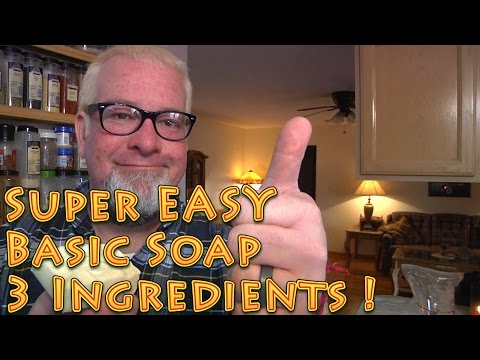
One of my favorite projects to recommend to beginners is a simple “Bastille” soap. This is a formulation high in olive oil (70% or more) with a bit of coconut oil for bubbles and castor oil for creaminess. It creates a gentle, hard bar that is perfect for sensitive skin. I often make these uncolored, letting the natural creamy hue of the oils shine through.
For the holidays, I love creating a peppermint mocha scrub bar. I use real coffee grounds in the batter, which acts as a fantastic exfoliant for gardener’s hands or rough feet. The bottom layer is colored dark brown with cocoa powder, and the top is a creamy white, swirled to look like whipped cream.
Have you ever thought about how much plastic waste you could eliminate by switching to naked shampoo and body bars?
Another practical application is the solid dish soap bar. By changing the oil composition to be 100% coconut oil with a 0% superfat, you create a cleansing bar that cuts through grease on plates but contains no harsh detergents. I keep a ramekin of this next to my sink and haven’t bought liquid dish soap in three years.
The Learning Experience
When you first start, you will likely worry about “trace.” Trace is the moment when the oils and lye water have emulsified and thickened to the consistency of thin pudding. Beginners often over-mix their batter because they are afraid it hasn’t mixed enough.
I remember standing over my pot with the stick blender running for ten minutes straight, creating a thick, gloopy mess that was impossible to pour smoothly. I learned that you only need to pulse the blender for a few seconds at a time.
Soap batter will continue to thicken even after you stop blending, so it is always better to stop at a light emulsion if you plan to add colors or swirls.
The best resources for learning are YouTube channels by professional soapers and forums like the Soap Making Forum. Books are great for recipes, but seeing the texture of the soap in a video is invaluable. The community is incredibly supportive because we all know the pain of a failed batch.
Comparison with Similar Crafts
It helps to understand where cold process soap sits in the spectrum of fiber and kitchen arts.
| Aspect | Cold Process Soap | Melt & Pour Soap | Candle Making |
|---|---|---|---|
| Complexity | High (Chemical reactions) | Low (Melting base) | Medium (Temp control) |
| Safety Risk | High (Caustic Lye) | Low (Hot liquid) | Medium (Fire hazard) |
| Customization | 100% Full Control | Limited to Additives | Scent and Color only |
| Time to Finish | 4-6 Weeks | 2-4 Hours | 24-48 Hours |
Common Questions from Fellow Crafters
Q: Can I make soap without using lye?
A: No. Sodium hydroxide is chemically necessary to turn oil into soap; without it, you are just mixing oil and water. However, in the finished bar, no lye remains because it has all been transformed.
Q: Why did my soap develop a white, powdery layer on top?
A: That is called “soda ash.” It happens when the raw soap reacts with oxygen. It’s purely cosmetic and harmless. You can steam it off or wash it off the first time you use the bar.
Q: Can I use food coloring to dye my soap?
A: Generally, no. Food coloring is water-based and will often morph into strange colors or fade completely due to the high pH of the lye. You need micas, oxides, or natural clays.
Q: Is it safe to use fresh ingredients like fruit puree or milk?
A: Yes, but with caution. The sugars in fruit and milk can scorch due to the heat of the lye reaction. You usually need to freeze these liquids into cubes before adding the lye to keep the temperature down.
Q: How do I clean my tools after making soap?
A: I recommend leaving your dirty bowls and spoons in a safe place for 24 hours. After that time, the residue has turned into soap! You can then just soak them in hot water and wash them without dealing with raw, caustic oil.
Always keep a bottle of vinegar nearby to wipe up lye spills on counters, but use plain water to flush lye if it gets on your skin.
My Personal Results and Insights
Tracking my batches has helped me refine my process and costs significantly.
| Project Type | Outcome |
|---|---|
| Basic Bastille | Perfect for gifts. Cost is roughly $1.50 per bar. |
| Salt Bars | Hard as a rock and long-lasting. Great exfoliation but crumbly to cut. |
| Floral Swirls | High failure rate initially due to fast-moving fragrance oils. |
| Creative Joy | Immeasurable. It is the most rewarding chemical process I know. |
Final Thoughts and My Recommendation
Cold process soap making is a profound skill that connects you to a history of self-reliance. It is not the easiest hobby to pick up due to the safety precautions and the equipment required, but the payoff is extraordinary. There is a specific kind of confidence that comes from knowing you can create a daily necessity from scratch.
I highly recommend this craft to anyone who enjoys baking, chemistry, or precise kitchen arts. If you are someone who loves instant results, the curing time might frustrate you. You must be willing to wait weeks to see if your creation is a success.
If you have small children or pets that cannot be kept out of the kitchen for an hour, wait until you can guarantee a safe, distraction-free environment before starting.
However, if you can respect the lye and have the patience for the cure, you will be rewarded with the best soap you have ever used. The secret to great soap is not a fancy design, but the patience to let it cure fully. Give it a try, start with a simple fragrance-free batch, and see if you don’t fall in love with the alchemy of it all.