Japanese doll making is an ancient art form that has been practiced for centuries. It is a craft that has been passed down through generations and is still practiced today. Japanese dolls are known for their intricate details and delicate craftsmanship. They are often made from a variety of materials such as wood, cloth, paper, and clay.
The dolls are often used as decorations, toys, or even as gifts. Japanese doll making is a unique and beautiful art form that is sure to bring joy to anyone who appreciates it.
Exploring the History and Artistry of Japanese Doll Making
The art of Japanese doll making is a centuries-old tradition that has captivated the hearts of many. From the intricate details of the dolls’ faces to the delicate fabrics used to clothe them, these dolls are truly works of art.
The history of Japanese doll making dates back to the Heian period (794-1185). During this time, dolls were used as offerings to the gods and as toys for children. Over the centuries, the craft of doll making evolved and became more intricate. By the Edo period (1603-1868), dolls were being made with a variety of materials, including wood, clay, and paper.
Today, Japanese doll makers continue to create beautiful dolls that are both works of art and symbols of culture. The dolls are often made with traditional materials such as silk, cotton, and paper. The faces of the dolls are carefully crafted with great attention to detail. The eyes are often made with glass beads, and the hair is made with human or synthetic hair.
The clothing of the dolls is also a work of art. Doll makers use a variety of fabrics, such as silk, cotton, and velvet, to create intricate designs. The clothing is often decorated with embroidery, lace, and other embellishments.
The art of Japanese doll making is a beautiful tradition that has been passed down through generations. The dolls are a reminder of the culture and history of Japan, and they bring joy to those who admire them. Whether you’re a collector or just appreciate the artistry of these dolls, you can’t help but be enchanted by their beauty.
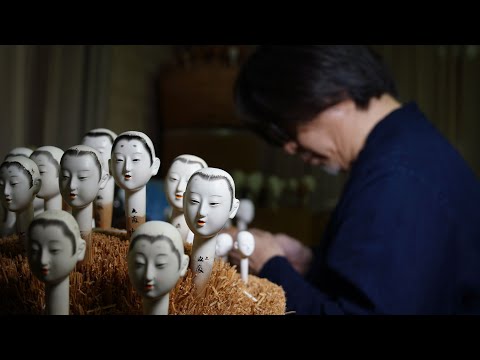
The Different Types of Japanese Dolls and Their Cultural Significance
Kokeshi dolls are perhaps the most iconic of all Japanese dolls. These wooden dolls are usually hand-crafted and feature a simple design with a round head, cylindrical body, and no arms or legs. They are often brightly painted with floral designs and are believed to bring good luck and prosperity. Kokeshi dolls are often given as gifts to celebrate special occasions such as weddings and births.
Hina dolls are another popular type of Japanese doll. These dolls are usually made of porcelain and feature a more elaborate design than kokeshi dolls. They are often dressed in traditional clothing and represent the Emperor and Empress of Japan. Hina dolls are usually displayed during the Hinamatsuri festival, which is celebrated on March 3rd each year.
Daruma dolls are another type of Japanese doll that is believed to bring good luck. These round, hollow dolls are usually painted red and feature a white beard and eyebrows. They are often used as a talisman to help people achieve their goals.
Finally, there are the kintaro dolls, which are believed to bring good fortune and success. These dolls are usually made of wood and feature a boy wearing a red kimono and carrying a large fish. Kintaro dolls are often given as gifts to children to wish them luck in their studies.
No matter which type of Japanese doll you choose, each one has its own unique story and cultural significance. From the traditional kokeshi dolls to the modern hina dolls, these dolls are sure to bring joy and good luck to any home.
The Materials and Techniques Used in Japanese Doll Making
The materials used in Japanese doll making are varied and include wood, cloth, paper, and clay. Wood is often used for the body of the doll, while cloth is used for the clothing. Paper is used to create intricate details such as facial features and hair. Clay is used to create the facial features and to give the doll a more realistic look.
The techniques used in Japanese doll making are also quite intricate. The wood is carved and shaped to create the body of the doll. The cloth is cut and sewn to create the clothing. The paper is cut and shaped to create the facial features and hair. The clay is molded and shaped to create the facial features and to give the doll a more realistic look.
The end result of Japanese doll making is a beautiful and unique piece of art. The intricate details and craftsmanship that go into each doll make them truly one-of-a-kind. They are a wonderful way to celebrate the culture and traditions of Japan.
How to Make a Traditional Japanese Doll
Making a traditional Japanese doll is a fun and creative way to explore the culture of Japan! It’s a great project for kids and adults alike, and the end result is a beautiful and unique piece of art. Here’s how to make your own traditional Japanese doll:
- First, you’ll need to gather your supplies. You’ll need some fabric, scissors, a needle and thread, stuffing, and a few other items. You can find all of these items at your local craft store.
- Next, you’ll need to create the body of your doll. Start by cutting out two pieces of fabric in the shape of a circle. Sew the two pieces together, leaving a small opening at the top. Stuff the doll with the stuffing, and then sew the opening closed.
- Now it’s time to make the doll’s face. Cut out two circles of fabric for the eyes, and two small triangles for the nose. Sew the eyes and nose onto the doll’s face. You can also add a few stitches to create a mouth.
- Finally, you’ll need to make the doll’s clothing. Cut out two pieces of fabric for the dress, and sew them together. You can also add some ribbons or other decorations to make the dress more unique.
And there you have it! Your traditional Japanese doll is now complete. You can display it in your home or give it as a gift to someone special. Enjoy your beautiful creation!

The Role of Japanese Dolls in Contemporary Art and Design
Japanese dolls are often used to represent a certain emotion or idea. For example, a traditional kokeshi doll might be used to represent joy and happiness, while a modern art doll might be used to represent sadness or loneliness. These dolls can be used to create a unique and powerful visual statement. They can also be used to create a sense of nostalgia or to evoke a certain feeling.

Finally, Japanese dolls are being used in contemporary art and design to create unique and interesting pieces of clothing. For example, some designers are using traditional kokeshi dolls to create unique and stylish dresses. Others are using modern art dolls to create unique and interesting accessories.
Japanese dolls are a powerful tool for expressing emotion and ideas in contemporary art and design. They can be used to create unique and interesting pieces that explore the relationship between art and design. They can also be used to create a sense of nostalgia or to evoke a certain feeling. No matter how they are used, Japanese dolls are sure to add a unique and creative touch to any piece of art or design.

Q&A
1. What materials are used to make Japanese dolls?
Japanese dolls are typically made from a variety of materials, including wood, cloth, paper, and clay.
2. What is the traditional style of Japanese doll making?
The traditional style of Japanese doll making is called Ningyo-jōruri, which is a type of puppet theater. This style of doll making involves intricate carving and painting techniques to create lifelike dolls.
3. What is the purpose of Japanese dolls?
Japanese dolls are traditionally used as decorations, toys, and as offerings to the gods. They are also used in festivals and ceremonies.
4. How long has Japanese doll making been around?
Japanese doll making has been around for centuries. It is believed to have originated in the Heian period (794-1185).
5. What is the most popular type of Japanese doll?
The most popular type of Japanese doll is the Kokeshi doll. These dolls are typically made from wood and feature a simple design with a large head and no arms or legs.
Conclusion
The art of Japanese doll making is a centuries-old tradition that has been passed down through generations. It is a craft that requires skill, patience, and dedication to create beautiful and intricate dolls. The dolls are often used as decorations, gifts, or even as a form of prayer. Japanese doll making is a unique and fascinating art form that has been enjoyed by many for centuries.