Carving duck decoys is an art form that has been around for centuries. It is a craft that requires skill, patience, and a good eye for detail. Duck decoys are used for hunting, but they can also be used as decorative pieces. Carving a duck decoy is a great way to express your creativity and create a unique piece of art. The process of carving a duck decoy involves selecting the right wood, shaping the wood, and painting the decoy. With the right tools and techniques, anyone can create a beautiful duck decoy.
Step-by-step guide
Hello fellow woodworking enthusiasts! Today, I’d like to share my exciting journey of carving a duck decoy for the first time.
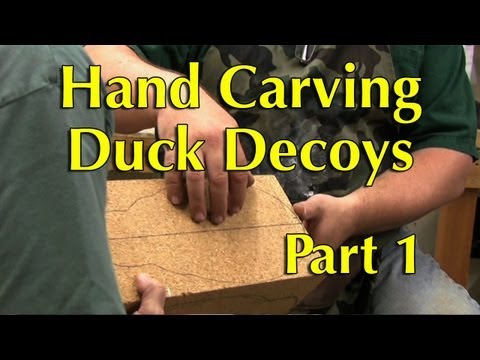
Firstly, I gathered my materials. I chose to work with cedar as it provides the needed buoyancy for a working model, and I preferred a decoy that would serve both decorative and functional purposes. I got an eight-foot long, eight-inch wide, and four-inch thick block of cedar, which was sufficient to make seven decoys. I was excited to have extra blocks for future projects!
Next, I cut sections from the cedar block, each about 12 inches in length. I ensured that the blocks were six inches wide, allowing me to utilize a two-inch lengthwise strip for the accompanying duck heads. I learned that allowing the blocks to season until any cracking or splitting is finished is essential before starting the carving process.

With the wood ready, I moved on to shaping the heads and bodies. I found decoy patterns in books and magazines, and I chose to work on a mallard design. Using the patterns as a guide, I traced them directly onto the wood sections and roughly cut them out with a band saw and handsaw. It was crucial to be patient and take my time during this step, ensuring that the shapes were accurate.
After shaping the main body, I used a saber saw set at an angle to gradually shape the top body angle from the front to the tail section of the decoy. I also fashioned the neck slot with a handsaw and used a draw knife to round off the edges. The pattern was then used to mark the wings and back tail feather sections, which I carved out using a rotary power tool.
Similarly, I worked on the duck head and then attached it to the decoy body. Before permanently attaching them, I made sure to mark the exact spot for attachment, ensuring a precise fit. This step required attention to detail to achieve a realistic look.
Sanding the pieces came next, and I moved outdoors for this task to avoid inhaling sawdust. Cedar sands easier than basswood, and I was meticulous in getting the smooth finish I desired. I used a large sander and later a barrel sander attached to a rotary tool for hard-to-reach areas.
Once the head and body were assembled, I drilled holes in both and glued in dowels for support. Now my working decoy was ready for painting! I chose to apply a neutral base coat to the decoys – black, white, or tan – and then added two primer coats to seal the wood properly and provide durability.
The real fun began with the detail painting. Following patterns and using masking tape to separate sections, I carefully painted the various parts of the decoy to achieve a lifelike appearance. I learned that patience is key during this stage, and minimal touch-ups were necessary when unavoidable paint overlapping occurred.
For the eyes, I decided to use painted nail heads rather than ordering glass eyes. I cut down small nails and painted them with the appropriate eye color, then drilled holes in the duck head to insert the eyes.
Completing my first duck decoy was a moment of pride and satisfaction. Though challenging at times, the process was also immensely rewarding. I learned valuable woodworking techniques and honed my skills along the way.
If you’re a beginner like me, I highly recommend trying your hand at carving a duck decoy. It’s a delightful project that combines artistry and craftsmanship, and it will give you a sense of accomplishment like no other. Don’t forget to check out “Your Home For Woodworking” for more inspiring articles and ideas to fuel your passion for this amazing hobby! Happy carving!
The Different Types of Wood Used to Carve Duck Decoys
When it comes to carving duck decoys, wood is the material of choice. From the classic cedar to the more exotic woods, each type of wood has its own unique characteristics that make it perfect for creating beautiful and realistic decoys. Here’s a look at some of the different types of wood used to carve duck decoys.
- Cedar is one of the most popular woods used for carving duck decoys. It’s lightweight, yet strong and durable, making it ideal for carving intricate details. Cedar also has a beautiful grain pattern that adds to the realism of the decoy.
- Basswood is another popular choice for carving duck decoys. It’s lightweight and easy to work with, making it a great choice for beginners. Basswood also has a fine grain that gives the decoy a smooth finish.
- Walnut is a hardwood that is often used for carving duck decoys. It’s strong and durable, and it has a beautiful grain pattern that adds to the realism of the decoy. Walnut is also a great choice for carving intricate details.
- Maple is another hardwood that is often used for carving duck decoys. It’s strong and durable, and it has a beautiful grain pattern that adds to the realism of the decoy. Maple is also a great choice for carving intricate details.
- Oak is a hardwood that is often used for carving duck decoys. It’s strong and durable, and it has a beautiful grain pattern that adds to the realism of the decoy. Oak is also a great choice for carving intricate details.
- Finally, exotic woods such as mahogany, teak, and ebony are also popular choices for carving duck decoys. These woods are strong and durable, and they have a beautiful grain pattern that adds to the realism of the decoy. Exotic woods are also a great choice for carving intricate details.
No matter which type of wood you choose, you’ll be sure to create a beautiful and realistic duck decoy. So, grab your carving tools and get to work!
Tips for Beginner Carvers
Are you ready to take the plunge into the world of duck decoy carving? It’s an exciting and rewarding hobby that can bring you hours of enjoyment. Here are some tips to get you started on your duck decoy carving journey.
- 1. Gather the right tools. You’ll need a few basic tools to get started, such as a carving knife, a gouge, and a mallet. You may also want to invest in a few specialty tools, such as a V-tool and a skew chisel.
- 2. Choose the right wood. The type of wood you use will have a big impact on the look and feel of your finished decoy. Popular choices include basswood, cedar, and pine.
- 3. Start with a simple design. Don’t try to tackle a complex design right away. Start with something simple, such as a mallard or a canvasback.
- 4. Take your time. Don’t rush the process. Carving a duck decoy takes time and patience. Enjoy the journey and savor each step.
- 5. Have fun! Duck decoy carving is a great way to relax and express your creativity. So don’t be afraid to experiment and have fun with it.
With these tips, you’ll be well on your way to becoming a master duck decoy carver. So grab your tools and get carving!
Why It’s a Great Hobby
Carving duck decoys is a great hobby for anyone looking to get creative and have some fun! Not only is it a great way to express your artistic side, but it also has some great benefits that make it a great hobby to take up.
First of all, carving duck decoys is a great way to relax and unwind. It’s a peaceful activity that allows you to focus on the task at hand and forget about the stresses of everyday life. It’s also a great way to get away from the hustle and bustle of the modern world and just enjoy the moment.
Another great benefit of carving duck decoys is that it’s a great way to get in touch with nature. You’ll be able to observe the ducks in their natural habitat and learn more about them. You’ll also be able to appreciate the beauty of nature and the outdoors.
Finally, carving duck decoys is a great way to create something unique and special. You’ll be able to create a one-of-a-kind piece of art that you can be proud of. Plus, you’ll be able to show off your work to friends and family.
So, if you’re looking for a great hobby that’s both creative and relaxing, carving duck decoys is a great option. Not only will you be able to express your artistic side, but you’ll also be able to get in touch with nature and create something unique and special. So, why not give it a try?
What You Need to Get Started
Are you ready to get started carving your own duck decoys? If so, you’ve come to the right place! Carving duck decoys is a fun and rewarding hobby that can be enjoyed by all ages. To get started, you’ll need the right tools. Here’s a list of the best tools for carving duck decoys:
- A good quality carving knife. A good carving knife is essential for carving duck decoys. Look for a knife with a sharp, curved blade that’s comfortable to hold.
- A wood rasp. A wood rasp is a great tool for shaping and smoothing the wood. It’s also great for removing excess wood.
- A sanding block. A sanding block is a must-have for creating a smooth finish on your duck decoys.
- A wood burning tool. A wood burning tool is great for adding details and texture to your decoys.
- A drill. A drill is great for making holes in the wood for eyes and other details.
- A set of chisels. Chisels are great for carving out details and adding texture to your decoys.
- A set of files. Files are great for smoothing out rough edges and creating a smooth finish.
- A set of paints. A set of paints is essential for adding color and detail to your decoys.
With these tools, you’ll be ready to start carving your own duck decoys. Have fun and happy carving!
How the Art Form Evolved Over Time
The art of carving duck decoys has been around for centuries, and it has evolved over time to become a beloved craft. From the early days of hand-carved wooden decoys to the modern-day plastic and fiberglass decoys, the art of carving duck decoys has come a long way.
The earliest duck decoys were made from wood, and they were carved by hand. These decoys were used by hunters to lure ducks into their traps. The carvings were often quite simple, with just a few basic shapes and lines. Over time, the carvings became more detailed and intricate, with the addition of feathers, eyes, and other features.
In the late 1800s, the first mass-produced duck decoys were made from papier-mâché. These decoys were much cheaper than the hand-carved wooden decoys, and they were much easier to produce. The papier-mâché decoys were often painted with bright colors to make them more attractive to ducks.

In the early 1900s, plastic duck decoys began to appear. These decoys were much more durable than the papier-mâché decoys, and they could be produced in large quantities. The plastic decoys were also much easier to paint, and they could be made in a variety of colors and styles.
In the 1950s, fiberglass duck decoys began to be produced. These decoys were much more durable than the plastic decoys, and they could be made in a variety of shapes and sizes. The fiberglass decoys were also much easier to paint, and they could be made in a variety of colors and styles.
Today, the art of carving duck decoys is still alive and well. Many carvers still use traditional hand-carving techniques to create beautiful and unique decoys. Others use modern materials such as plastic and fiberglass to create decoys that are both durable and attractive.
No matter what type of decoy you choose, the art of carving duck decoys is a timeless craft that has been around for centuries. Whether you choose a hand-carved wooden decoy, a papier-mâché decoy, a plastic decoy, or a fiberglass decoy, you can be sure that your decoy will be a unique and beautiful piece of art.

Conclusion
Carving duck decoys is a great way to express creativity and appreciation for nature. It is a craft that requires patience and skill, but the end result is a beautiful piece of art that can be enjoyed for years to come. Whether you are a beginner or an experienced carver, duck decoy carving is a rewarding and enjoyable activity.